Tailor-made journeys through Madagascar
Madagascar is defined by wildlife and landscapes found nowhere else: lemurs, chameleons, baobabs, rainforests and dramatic limestone formations. The island’s scale, road conditions and the seasonal accessibility of its reserves require careful planning. A well-paced journey usually combines two or three regions before finishing beside the Indian Ocean.
Andasibe forests and indri lemurs
Andasibe-Mantadia National Park is approximately three hours from Antananarivo by road. It is one of the best-known habitats of the indri, the largest living lemur, whose resonant calls travel for kilometres through the forest. Walks with a local guide may also reveal chameleons, endemic birds, tree frogs and many other species unique to Madagascar.
At least two nights should be allowed for the reserve. As some animals are active after dark, the daytime programme can be complemented by an evening nature walk.
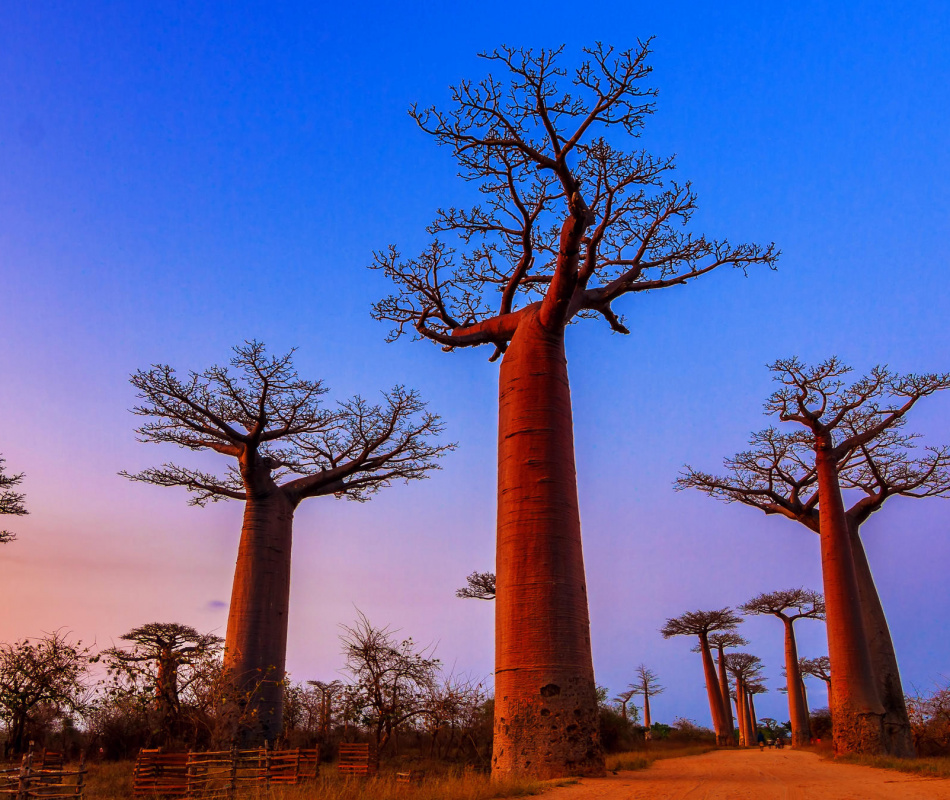
Morondava, baobabs and the Tsingy
Morondava is the gateway to the Avenue of the Baobabs and Kirindy Reserve. The region’s dry forests provide a habitat for lemurs, reptiles, endemic birds and the fossa, Madagascar’s largest predator.
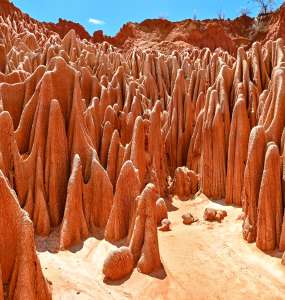
A longer western route can continue to the Tsingy de Bemaraha, a UNESCO-listed limestone landscape of sharp pinnacles, canyons and forest. Access depends on the season and road conditions, so transport and guided visits must be arranged well in advance.
The southern national park route
An alternative journey crosses the Central Highlands through Antsirabe and Ranomafana before reaching Isalo National Park. Rainforest, rice terraces and granite formations gradually give way to the drier landscapes of the south. The itinerary involves several long road journeys but reveals the remarkable ecological variety of the island.
Nosy Be and its archipelago
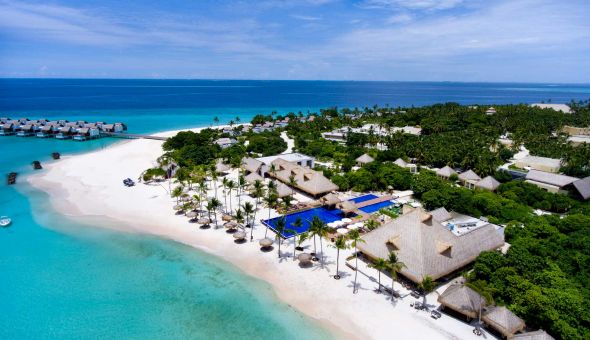
Nosy Be is a natural conclusion to a Madagascar journey. Excursions can reach Nosy Komba, Nosy Sakatia and the protected marine area of Nosy Tanikely. Swimming with a mask, sea turtle encounters and journeys between the islands can all be included.
When to travel
The dry season generally runs from April to October, with April to June and September to October offering particularly favourable conditions. From January to March, heavy rainfall may make certain parks and roads inaccessible. Ten to fourteen days allow time for two regions, while a broader journey requires around three weeks and several domestic flights.