Tailor-made journeys through Martinique
Martinique brings together volcanic scenery, tropical forests, Creole culture and a coastline shaped by small bays. The north is defined by Mount Pelée and the history of Saint-Pierre, while the south offers beaches and sea journeys. Fort-de-France introduces travellers to the everyday character of the French Antilles. A first visit is best planned across more than one part of the island.
Mount Pelée and northern Martinique
Mount Pelée and the forests of northern Martinique form a UNESCO World Heritage site. Walking routes cross humid forests, giant ferns and volcanic slopes before reaching wide views over the island. Conditions near the summit can change quickly, so the ascent should remain flexible and be planned according to the weather, preferably with a local guide.
At the foot of the volcano lies Saint-Pierre, which was destroyed by the 1902 eruption. Its theatre ruins, surviving urban remains and museum reveal the story of the former cultural and commercial centre of Martinique.
Fort-de-France and rum heritage
In the capital, highlights include the Schoelcher Library, La Savane park and the covered market, known for spices, fruit and Creole dishes. The route can continue to Balata Garden, whose hillside paths are filled with tropical plants from across the Caribbean.
Martinique’s rum estates offer another perspective on the island. Local agricultural rum is made from freshly pressed sugarcane juice. Visits may include plantations, historic production buildings, gardens and ageing cellars, with an introduction to the methods that shape each expression.
Bays along the southern coast
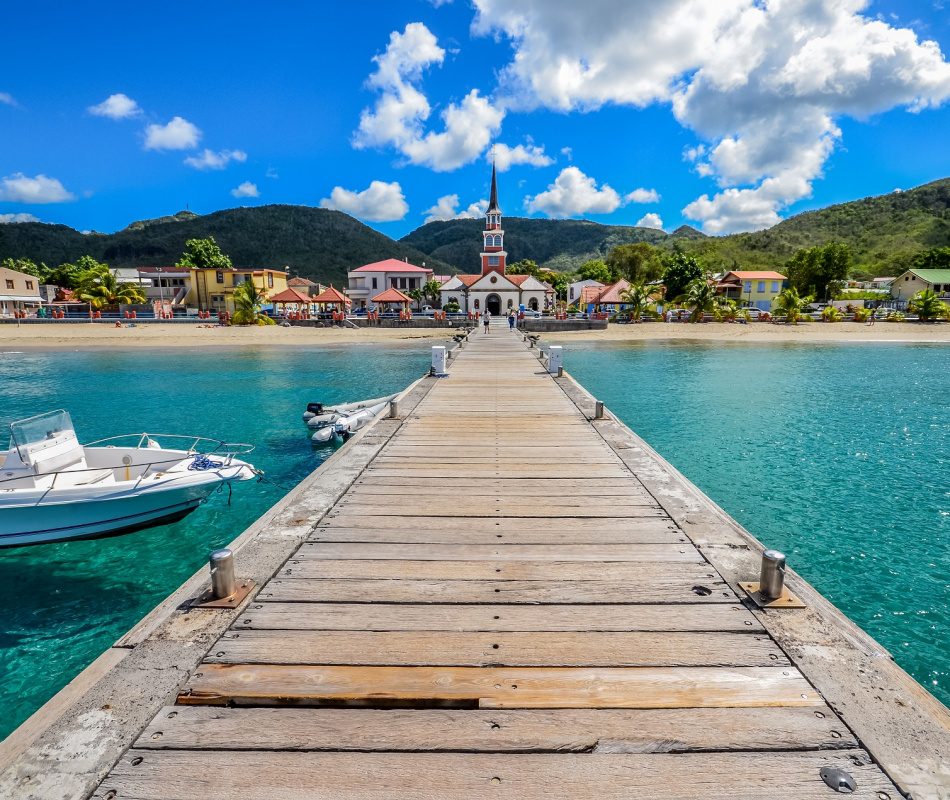
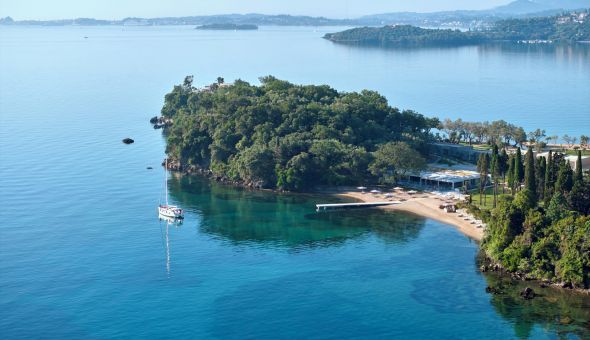
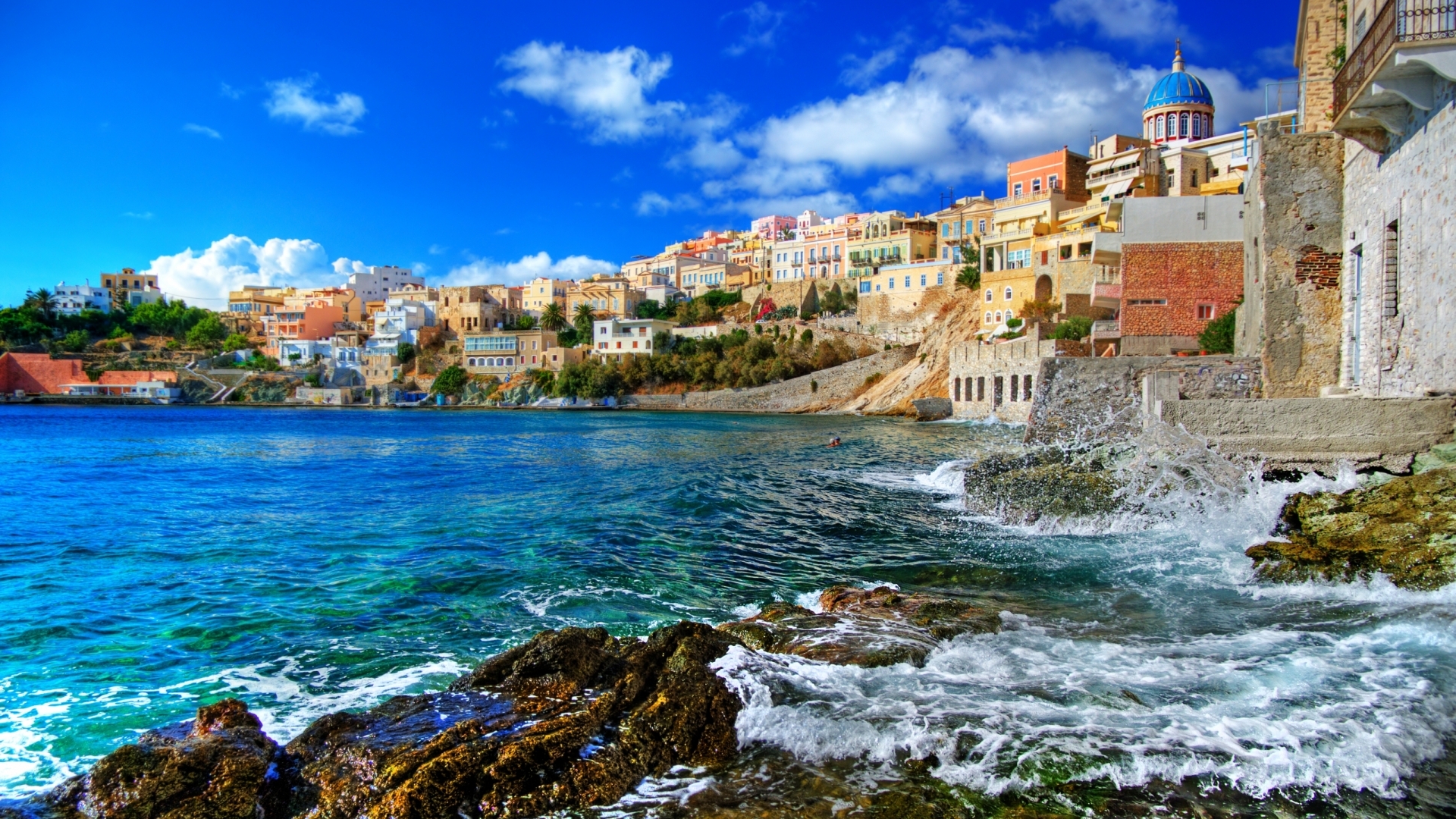
Le Marin is a convenient starting point for exploring the southern coastline by sea. A journey can include Les Anses-d’Arlet, Diamond Rock and a succession of smaller bays. The western coast is often preferred for swimming and snorkelling, while the Atlantic side has stronger winds and more open coastal scenery.
The best time to visit Martinique
The drier season generally runs from December to May. From June to November, humidity and the likelihood of heavier rainfall increase. Seven to ten days allow time for the main regions, while ten to fourteen days suit a journey combining the northern forests, the southern coast and several unhurried days at sea.