Planning a Holiday in Oman
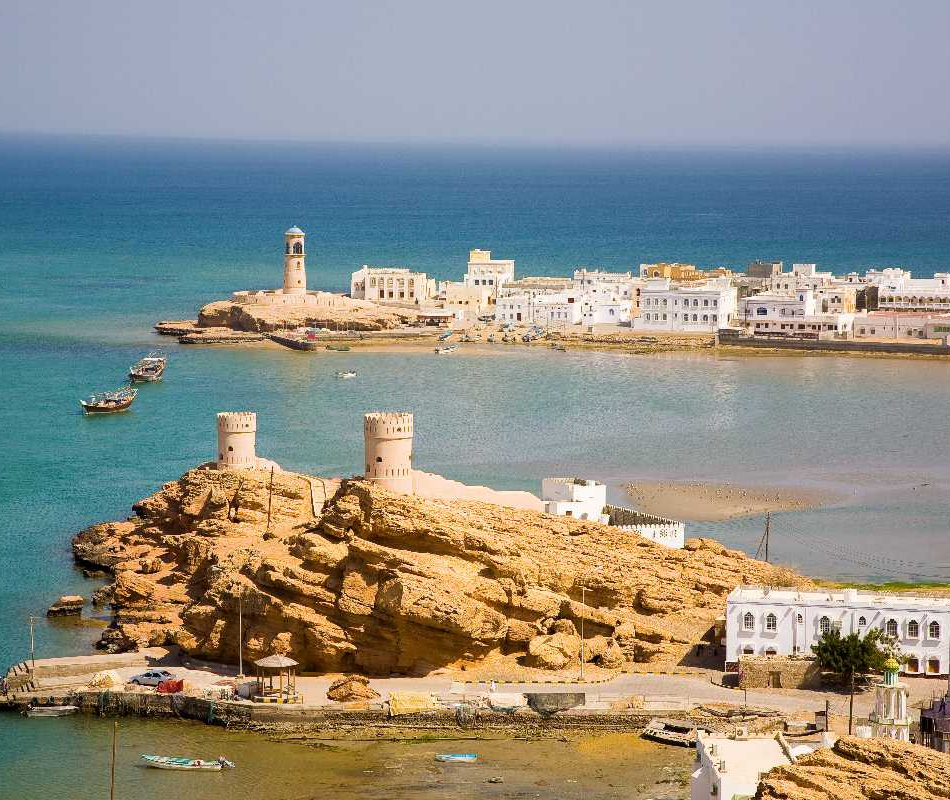
Oman combines a long coastline with mountains, desert landscapes, wadis and historic towns. A journey can therefore extend beyond a single beach resort to include cultural experiences, mountain stays, nature walks and a night in the desert. The official tourism platform presents water, mountain, desert, heritage and wellness experiences as key ways to explore the country.
When to Travel
November to early March generally provides the most comfortable conditions for northern and central Oman. The weather is milder and drier, with average daytime temperatures of around 26°C in Muscat, making this period suitable for sightseeing, trekking, camping and desert journeys.
Spring is warmer but can still work for combining the coast with the mountains. Jabal Akhdar is particularly known for its spring rose season.
Dhofar in southern Oman follows a different seasonal pattern. Between June and September, the Khareef monsoon brings mist, light rain and green landscapes to the mountains and plains around Salalah. A summer stay here should be planned as a distinct regional journey rather than as a standard winter itinerary.
One Resort or a Touring Route
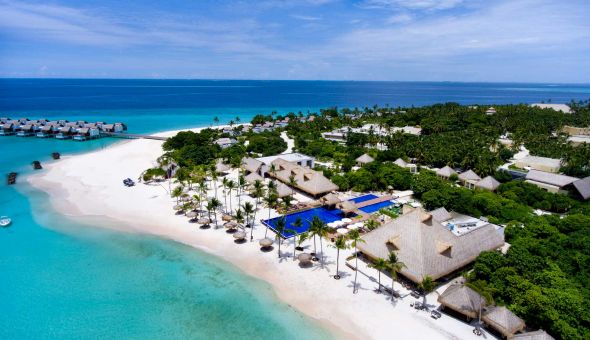
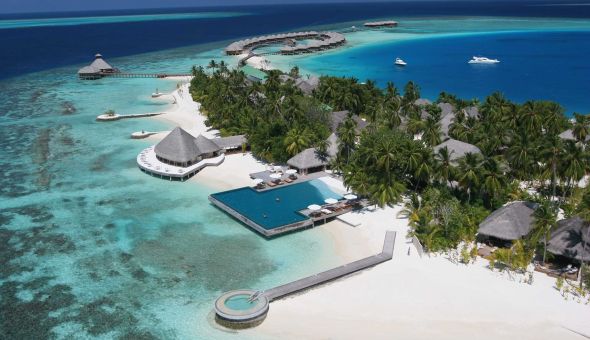
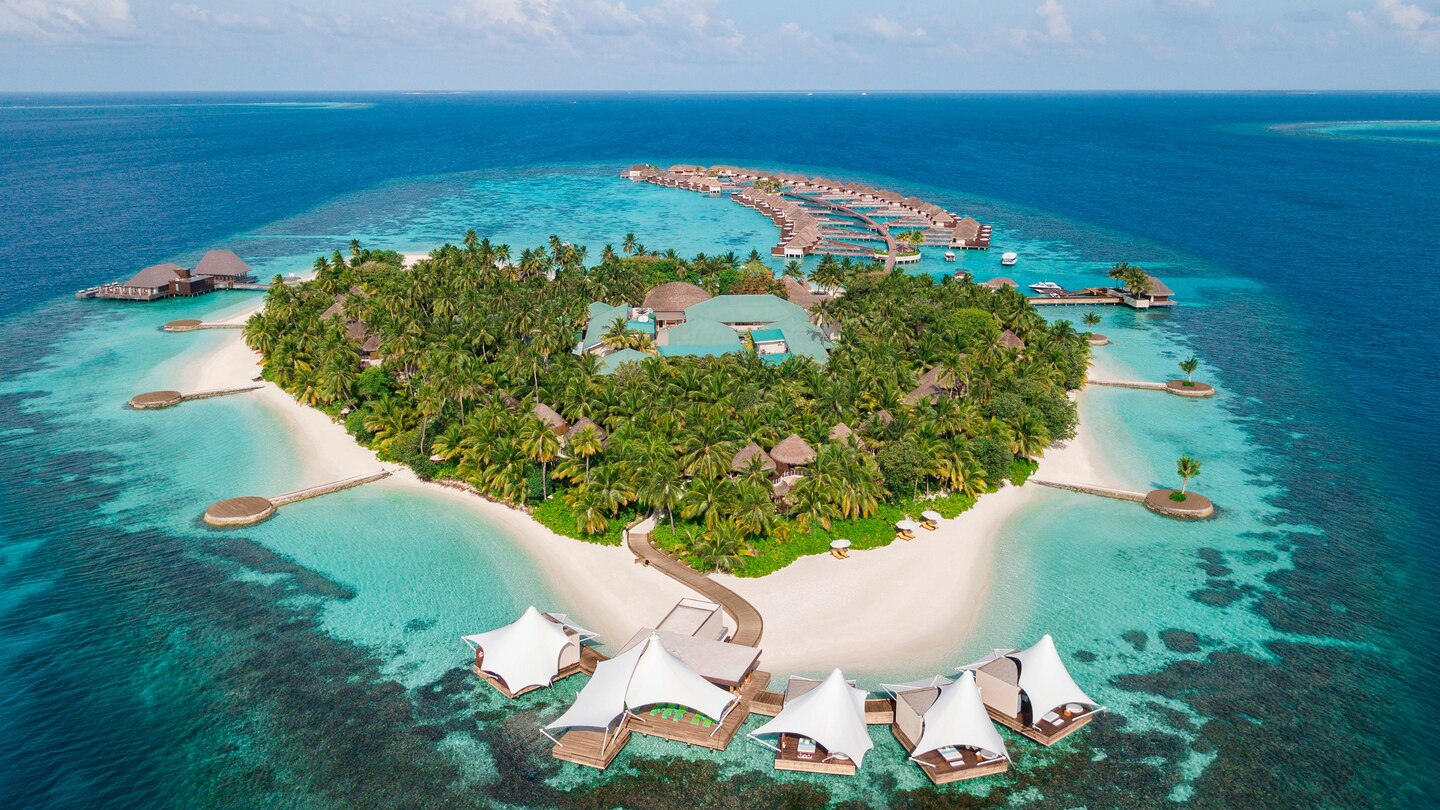
Travellers primarily interested in the beach can remain at one coastal resort and add selected day trips. This works particularly well for shorter breaks, family holidays and journeys with a slower pace.
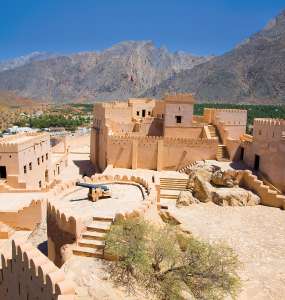
A broader introduction to Oman requires several stops. A seven-to-nine-day route can combine the coast, mountains, desert, wadis and historic settlements. Official northern Oman itineraries follow a similar structure and involve several accommodation changes and significant driving distances.
Changing hotels every night should be avoided. Allowing at least two nights in the main regions creates a more comfortable journey and leaves enough time to experience each landscape.
Coast and Beaches
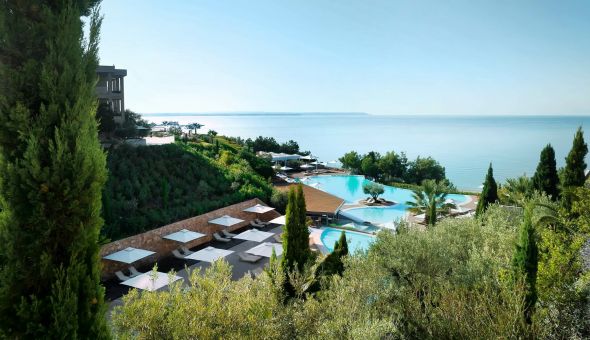
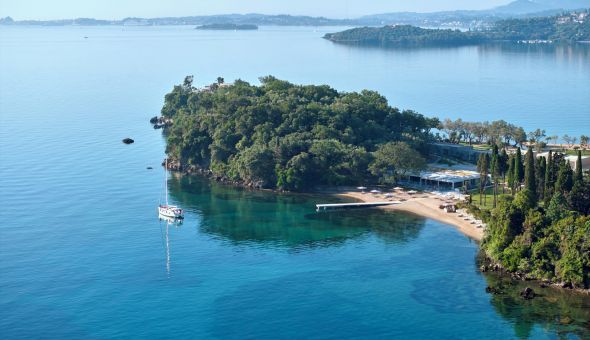
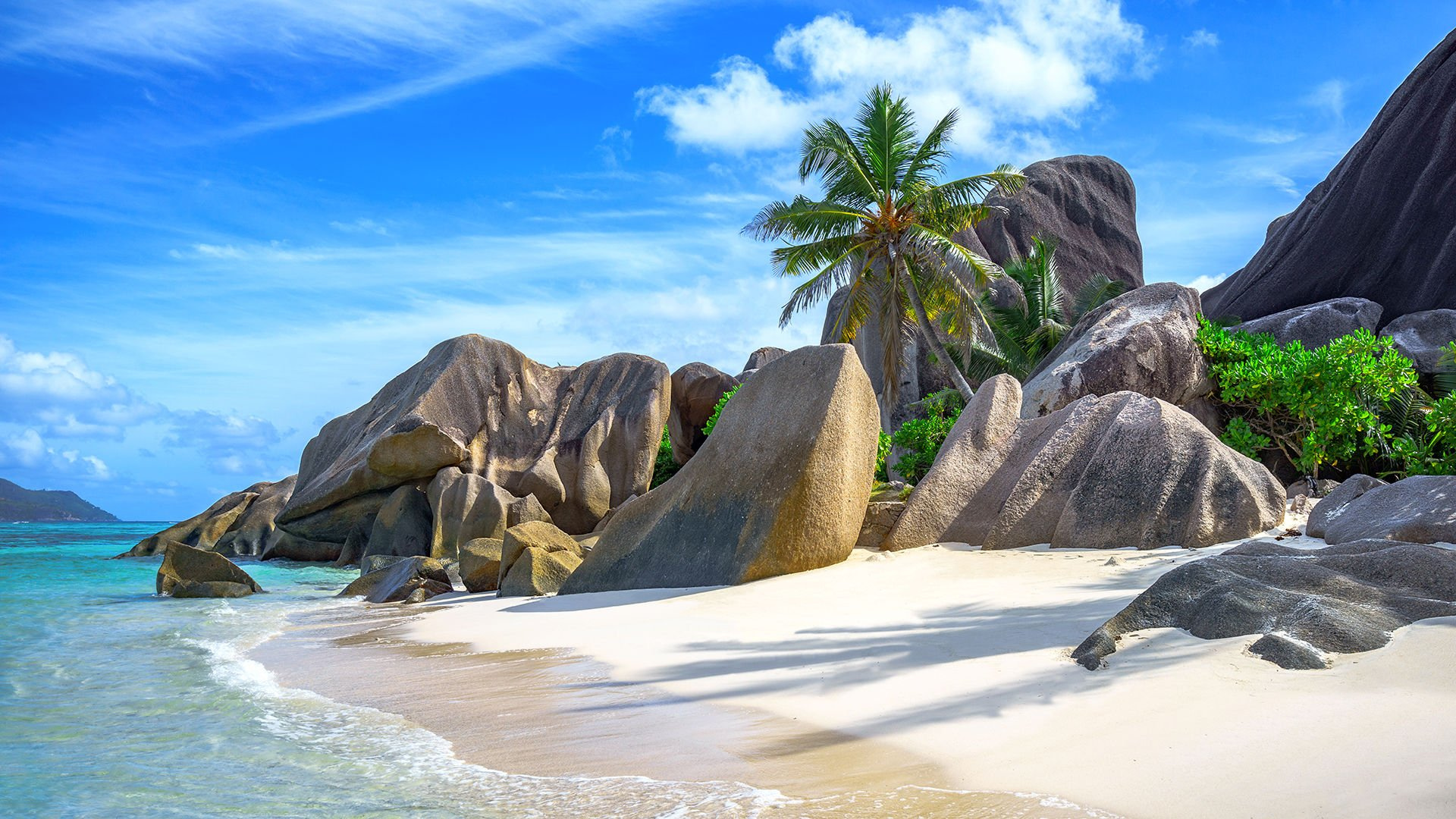
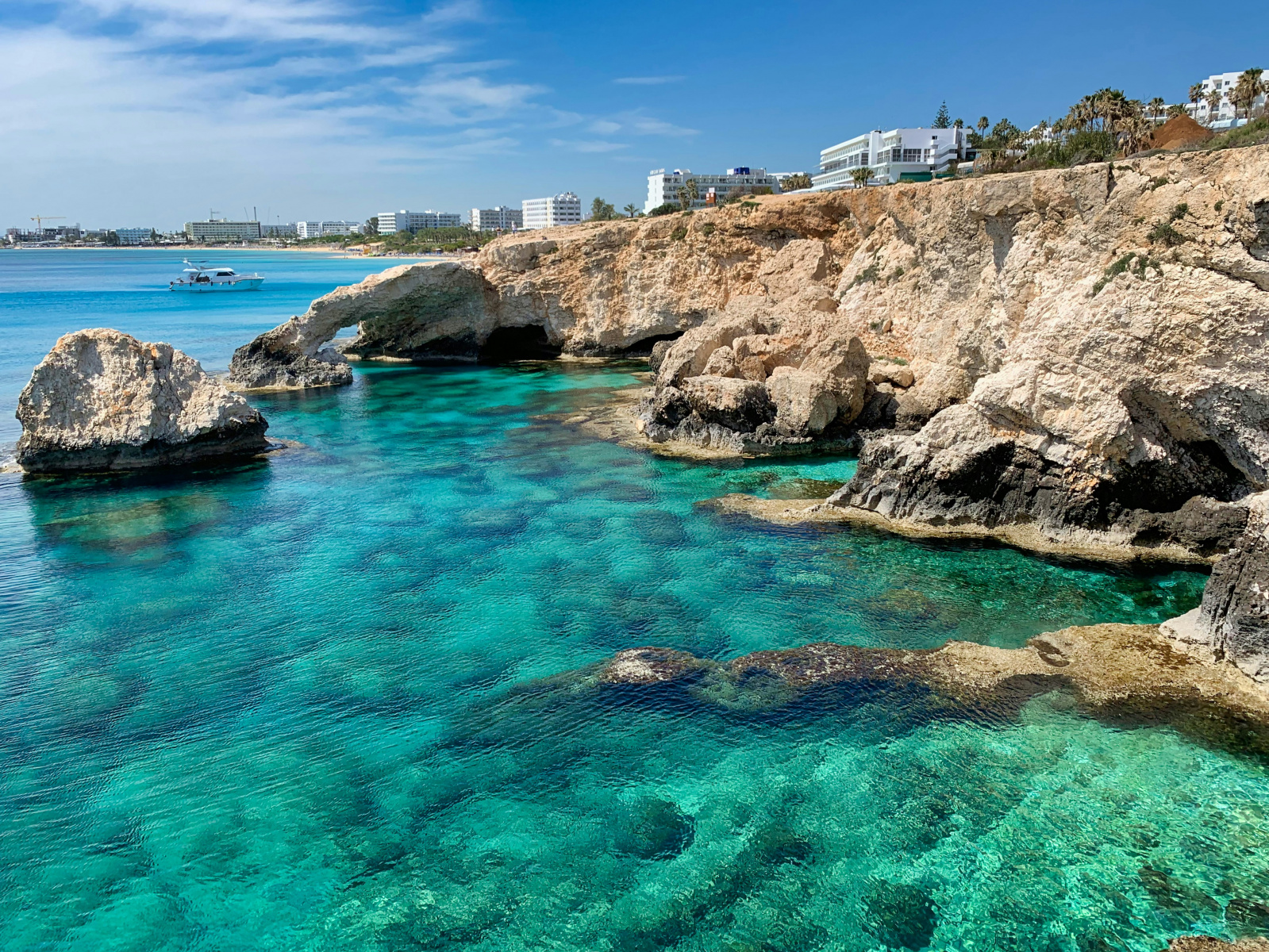
Oman’s coastal resorts vary in beach conditions, privacy and access to local infrastructure. Hotel selection should consider swimming conditions, waves, shade, nearby dining and the distance from Muscat or other regional centres.
A resort near Muscat makes it easier to combine the beach with cultural visits and restaurants. More remote coastal properties offer greater privacy but may involve longer transfers and fewer options outside the resort.
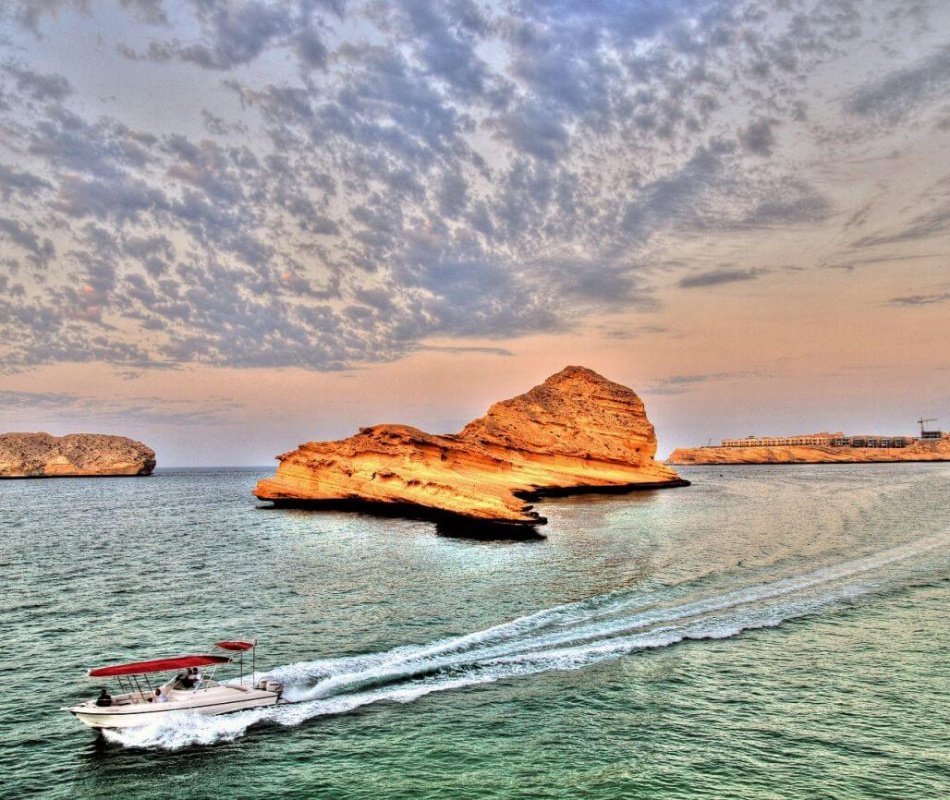
Diving, snorkelling, sailing and wildlife-watching experiences are among the principal marine activities promoted by Oman’s official tourism platform.
Mountains, Wadis and Desert
Mountain stays offer cooler conditions, panoramic scenery and access to walking routes. Altitude, transfer time, road conditions and the availability of restaurants should all be checked before selecting a hotel.
Wadis are valleys and gorges that may contain natural pools and hiking trails. Wadi Shab is approximately 170 kilometres from Muscat International Airport and involves a short boat crossing, a walk through the valley and optional swimming. Suitable footwear and a reasonable level of fitness are important.
A desert experience can range from a sunset excursion to an overnight camp. A’Sharqiyah Sands can be combined with the coast and nearby wadis, but camps should be compared according to privacy, accommodation standards, dining and their distance from other sites.
Selecting a Hotel
For a coastal holiday, prioritise the beach and resort facilities. In the mountains, consider altitude, views and transport. In the desert, the quality and privacy of the camp matter more than its formal category.
Families benefit from shorter transfers and fewer hotel changes. Couples can combine a coastal resort with a mountain or desert stay, while active travellers may prefer a wider route involving trekking and several natural regions.
A tailored itinerary coordinates hotels, four-wheel-drive transport, guides and private transfers while keeping the pace of the journey comfortable.