Tailor-made journeys through Poland
Poland brings together royal residences, medieval cities, musical evenings, mountain resorts and the Baltic coast. Efficient rail connections make it possible to combine Warsaw, Kraków, Wrocław and Gdańsk without complicated travel arrangements. A car with a driver is more convenient for exploring the castles of Lower Silesia, the Masurian Lakes and the Tatra Mountains.
Warsaw and the legacy of Chopin
Warsaw’s historic centre was reconstructed after the Second World War and is now recognised as a UNESCO World Heritage site. An introduction to the capital can begin at the Royal Castle and Old Town, continue along the Royal Route to Wilanów Palace and conclude with the Chopin Museum or an evening recital.
A journey devoted to the composer can include Żelazowa Wola, his birthplace, situated outside Warsaw. Two or three days allow time to explore the capital without compressing its museums and cultural programme.
Kraków, Wawel and the salt mines
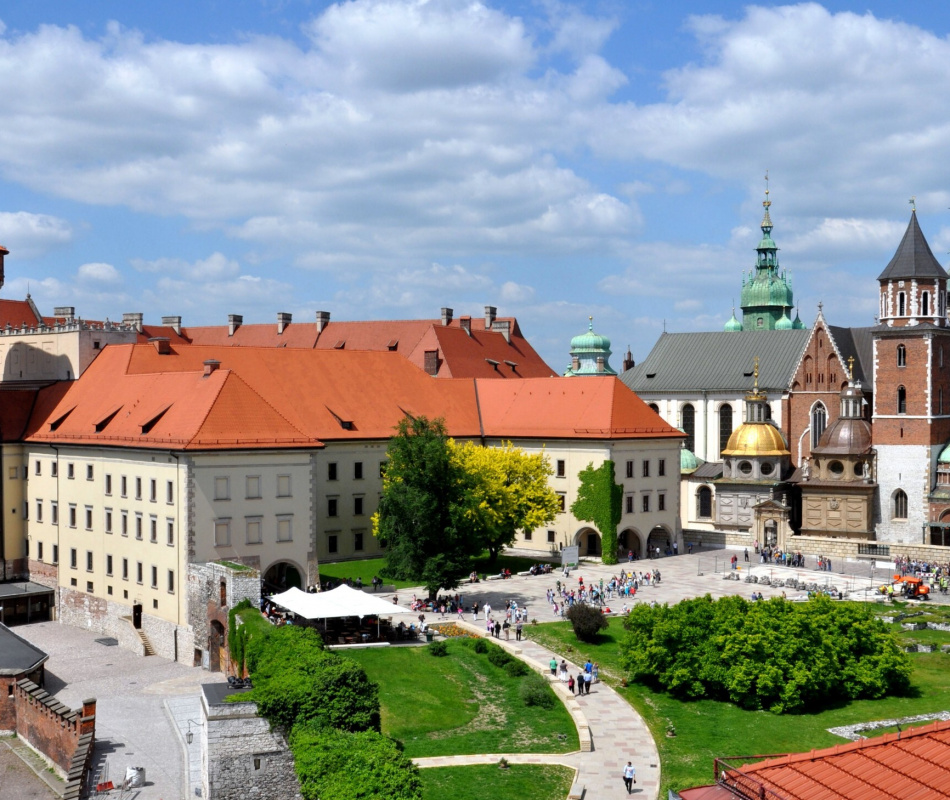
Kraków retains its medieval street plan, Main Market Square, the Kazimierz district and Wawel Royal Castle. Its historic centre is included on the UNESCO World Heritage List. At least three days are recommended for the principal monuments, museums and evening performances.
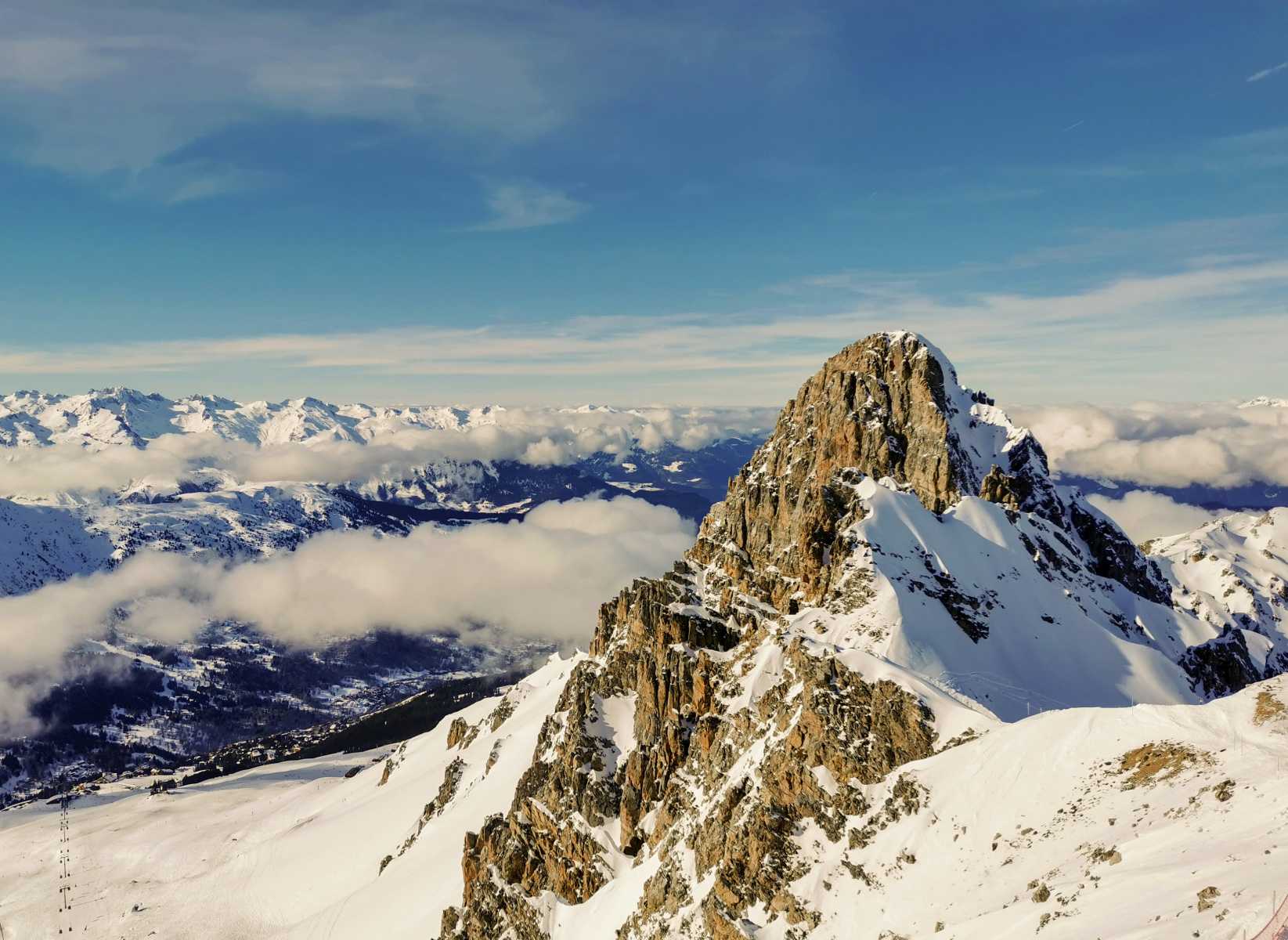
The Wieliczka Salt Mine is an easy addition from Kraków. Its underground galleries contain chapels, sculptures and decorative elements carved from salt, while mining on the site began in the 13th century. The journey can then continue towards Zakopane and the Tatra Mountains for walking routes or a winter stay.
Wrocław, castles and the Baltic coast
Wrocław provides a natural starting point for exploring Lower Silesia. A regional journey can include Książ Castle, the palaces of the Jelenia Góra Valley and the UNESCO-listed Church of Peace in Świdnica.
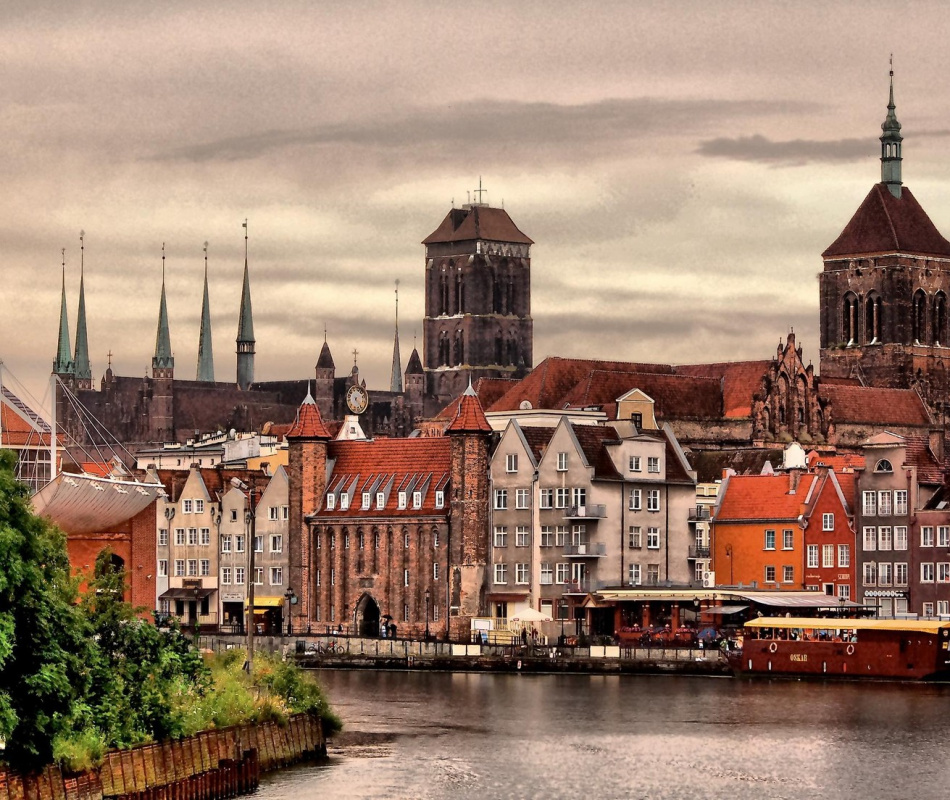
An alternative route leads north to Gdańsk, Sopot and Malbork Castle. Gdańsk combines the reconstructed Main Town, the Motława waterfront and museums devoted to defining chapters of Polish and European history. Malbork is considered one of Europe’s largest medieval brick castles.
The best time to visit Poland
Spring and early autumn suit cultural journeys and travel between cities. Summer is ideal for the Baltic coast, the Masurian Lakes and mountain walks, while winter brings skiing in Zakopane, Christmas markets and concert programmes.
Five to seven days work well for Warsaw and Kraków. A broader itinerary including Wrocław, Gdańsk or the Tatra Mountains deserves ten to fourteen days.