Tailor-made journeys through Slovenia
Slovenia brings together a European capital, Alpine lakes, karst caves and the Adriatic Sea within remarkably compact distances. A journey of seven to ten nights can connect Ljubljana, Lake Bled, the Julian Alps and Piran, with additional time in the Soča Valley or the wine country of Brda.
Ljubljana and the architecture of Plečnik
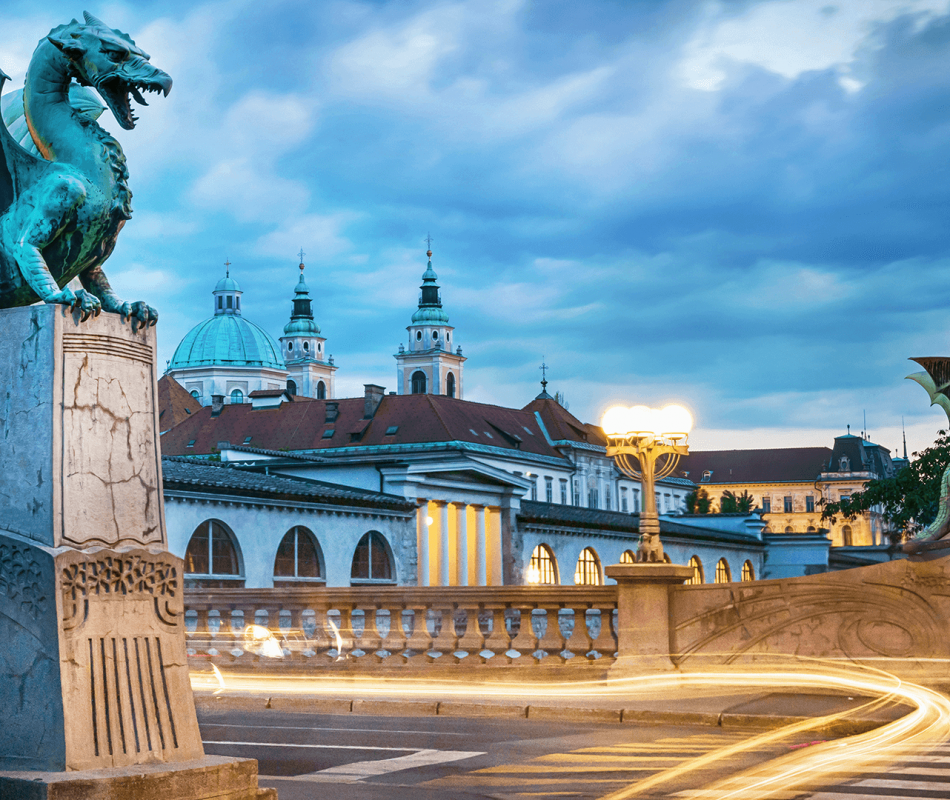
Two days provide a well-paced introduction to Ljubljana. The historic centre is easily explored on foot, following the Ljubljanica River past embankments, markets and bridges shaped by architect Jože Plečnik. Ljubljana Castle stands above the city and can be reached by a walking path or funicular.
The capital works well as the beginning of the itinerary and as a base for excursions to nearby towns, caves and wine regions.
Lakes Bled and Bohinj
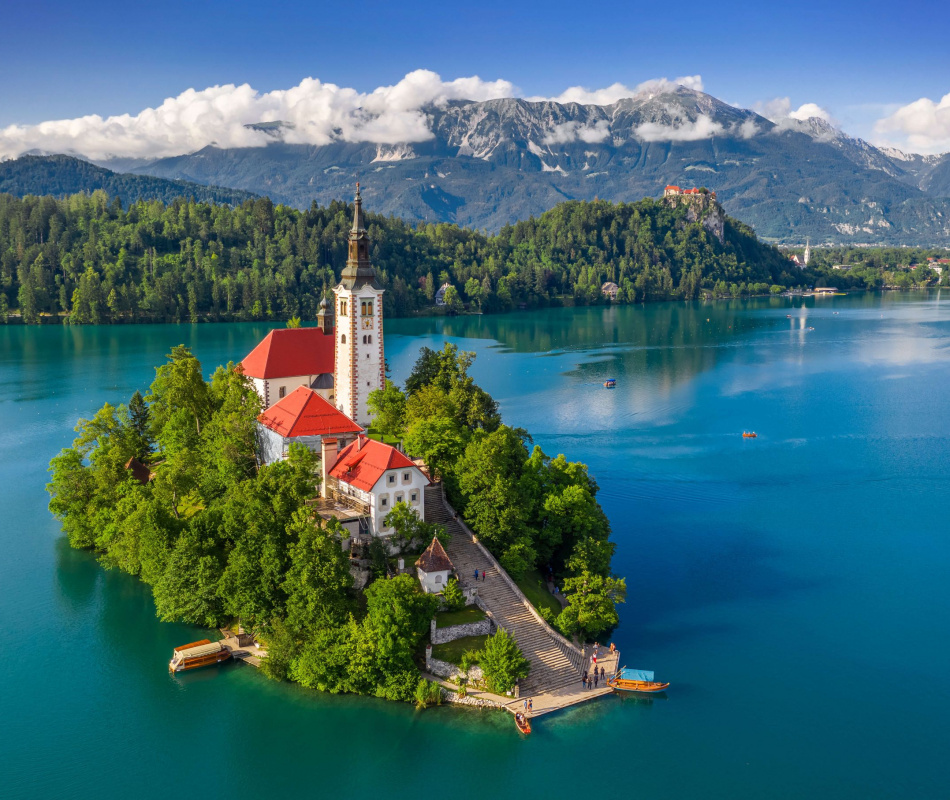
Lake Bled is known for its church-topped island and the medieval castle overlooking the water from a high cliff. Traditional wooden pletna boats cross the lake, while a path follows its shoreline. Bled is particularly busy during summer and holiday periods, making early hotel selection and carefully timed visits important.
Lake Bohinj lies within Triglav National Park and provides a more nature-focused Alpine base. It is Slovenia’s largest natural lake and a starting point for walks towards Savica Waterfall and the surrounding mountains. Weather, road conditions and current trail access should always be checked before setting out.
The Soča Valley and Julian Alps
The emerald Soča River passes through gorges and mountain valleys in western Slovenia. Bovec is the principal base for rafting and active days on the river, while Kobarid combines walking trails, history and destination dining. Mountain roads can make journeys longer than their map distance suggests, so the valley deserves its own overnight stay.
Karst caves and the Adriatic coast
The Škocjan Caves are recognised as a UNESCO World Heritage site. Their underground system contains a vast river canyon, waterfalls and monumental limestone chambers.
A journey can end in Piran, where Venetian architecture surrounds Tartini Square and narrow streets descend towards the Adriatic. Nearby Portorož adds resort facilities, while the Sečovlje Salt Pans preserve traditional salt production. Late spring, summer and early autumn are best suited to an itinerary combining the Alps and coast; July and August require early reservations.