Tailor-made journeys to Saint Lucia
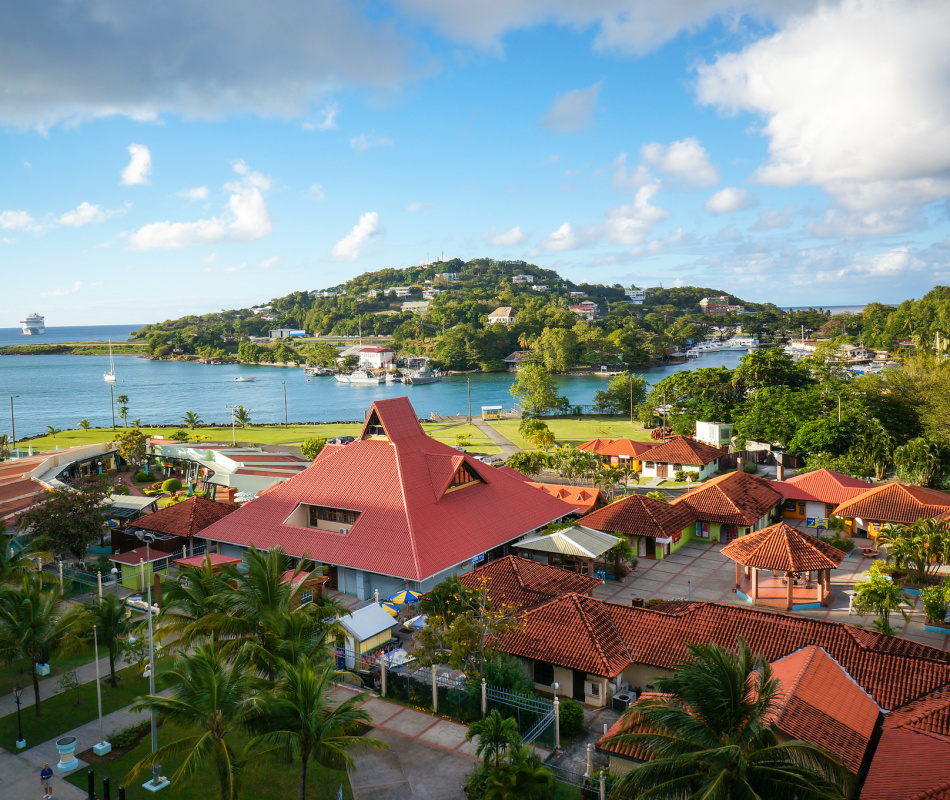
Saint Lucia brings together volcanic peaks, rainforest and sheltered bays along the Caribbean Sea. The island’s most dramatic scenery surrounds Soufrière and the Pitons, while the north suits travellers seeking longer beaches, restaurants and a livelier evening atmosphere. A journey of seven to ten nights can combine both areas without requiring a change of hotel every day.
Soufrière and the Pitons
Gros Piton and Petit Piton are the volcanic peaks that define Saint Lucia’s landscape. The surrounding Pitons Management Area is recognised as a UNESCO World Heritage site. Memorable views unfold from the sea, hillside hotels and the viewpoints along the Tet Paul Nature Trail.
Gros Piton rises 798 metres above the Caribbean. Its guided summit route normally takes several hours and includes steep, rocky sections. Tet Paul provides a more accessible alternative, with views of both peaks, the coastline and the surrounding countryside.
Volcanic springs and tropical gardens
Near Soufrière, Sulphur Springs reveals the island’s volcanic origins through steaming vents, geothermal pools and mineral-rich mud baths. The programme can also include Toraille Waterfall, the botanical gardens at Diamond Falls and an estate where cocoa is still cultivated.
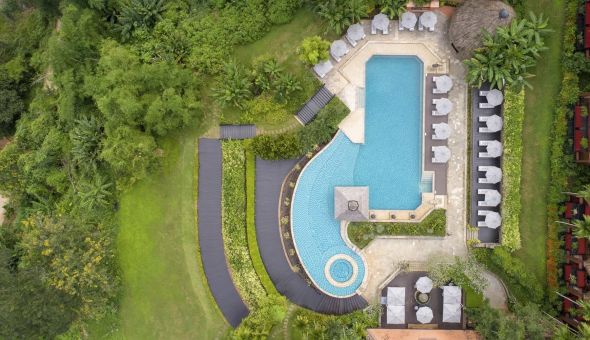
Hotels and villas in this part of Saint Lucia occupy forested hillsides, former estates and coastal settings beneath the Pitons. The terrain should influence the choice of accommodation: distances may appear short on a map, but winding mountain roads make some journeys considerably longer.
Beaches and journeys by sea
Sugar Beach lies between the two Pitons and offers one of the island’s most recognisable coastal views. Anse Chastanet and Anse Mamin are surrounded by dense vegetation, with coral reefs accessible close to shore. Sailing or travelling by boat is also an effective way to explore the west coast, connecting Soufrière, fishing villages and Marigot Bay.
Northern Saint Lucia and the best time to visit
Rodney Bay provides convenient access to the long sands of Reduit Beach, a yacht harbour, restaurants and evening entertainment. Nearby Pigeon Island combines historic fortifications, short walking trails and panoramic views across the Caribbean.
December to May generally offers the driest weather and calmer sea conditions. Tropical rainfall becomes more frequent between June and November, which also overlaps with the regional hurricane season. Hewanorra International Airport is situated in the south, so the location of the hotel should be considered when arranging flights and road journeys.