Tailor-made journeys through Luxembourg
Luxembourg is well suited to a short European journey combining architectural walks, wine routes, castles and protected landscapes. The country’s compact size makes it possible to stay in the capital and explore a different region each day or divide the journey between Luxembourg City, the Moselle Valley and the Luxembourg Ardennes.
The capital’s historic quarters
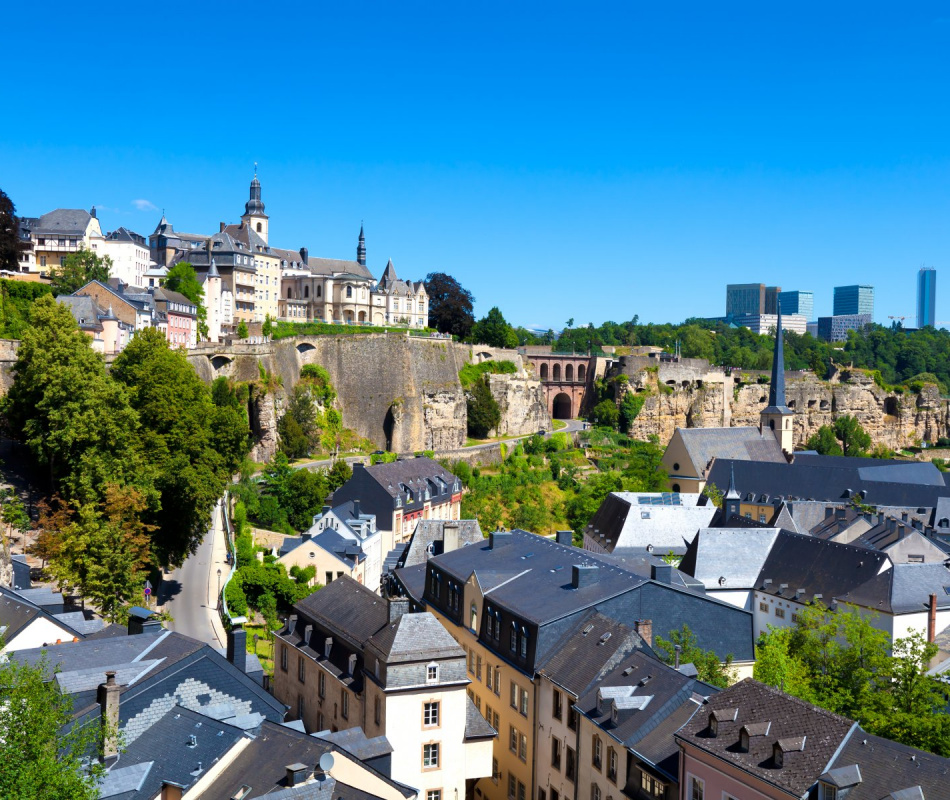
The old quarters and fortifications of Luxembourg City are a UNESCO World Heritage Site. The capital occupies a rocky plateau above the Alzette and Pétrusse river valleys. Bridges, defensive structures, dramatic changes in elevation and the lower district of Grund define its distinctive appearance.
A route may include the Bock Casemates, Place d’Armes, Notre-Dame Cathedral, the Grand Ducal Palace and the Chemin de la Corniche. Museums and the contemporary architecture of the Kirchberg district offer a contrasting perspective on the city.
Vineyards of the Moselle Valley
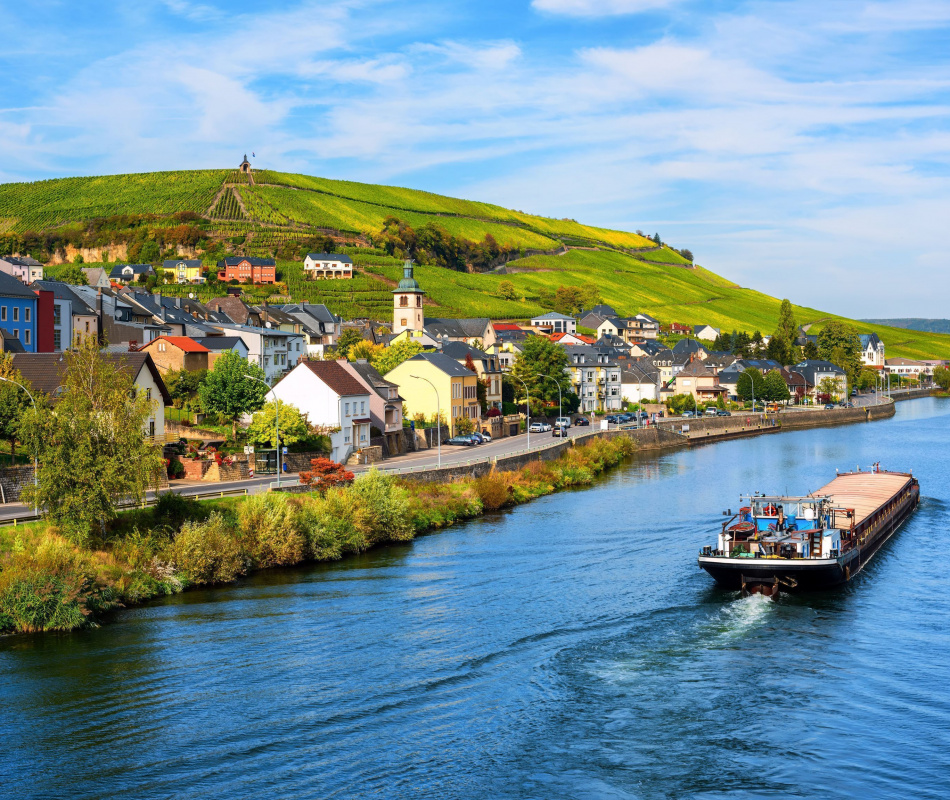
Vineyards, small towns and family-run estates line the Moselle in southeastern Luxembourg. The region is known for Riesling, Pinot, Auxerrois and traditional-method crémants.
A wine journey can connect Remich, Grevenmacher, Ehnen and Wormeldange. Cellar visits and tastings should be arranged in advance, particularly during the harvest period. From spring to autumn, the programme can also include a river journey or a walk through the vineyard-covered slopes.
Vianden, Clervaux and the Luxembourg Ardennes
Northern Luxembourg is characterised by forested plateaus, river valleys and medieval fortifications. Vianden Castle rises above the town of the same name and is one of the country’s most impressive historic monuments.
Clervaux Castle houses The Family of Man, the landmark photographic exhibition curated by Luxembourg-born photographer Edward Steichen. Longer routes may also include Bourscheid and Esch-sur-Sûre.
Mullerthal and the travel season
Mullerthal is known for sandstone formations, narrow gorges, forests and marked walking trails. The region can be paired with Echternach and its Benedictine heritage.
April to October is best suited to vineyards, castles and nature trails. Winter journeys focus more closely on the capital, museums and Christmas markets. Three or four days are sufficient for an introduction, while a route including the Moselle, Ardennes and Mullerthal is better planned over a week.