Tailor-made journeys through Estonia
Estonia combines medieval cities, Baltic shores, historic manor houses and island landscapes. Three or four days are sufficient for Tallinn, while a six- to nine-day journey can add Lahemaa National Park, Saaremaa or the university city of Tartu.
Tallinn: the Old Town and contemporary architecture
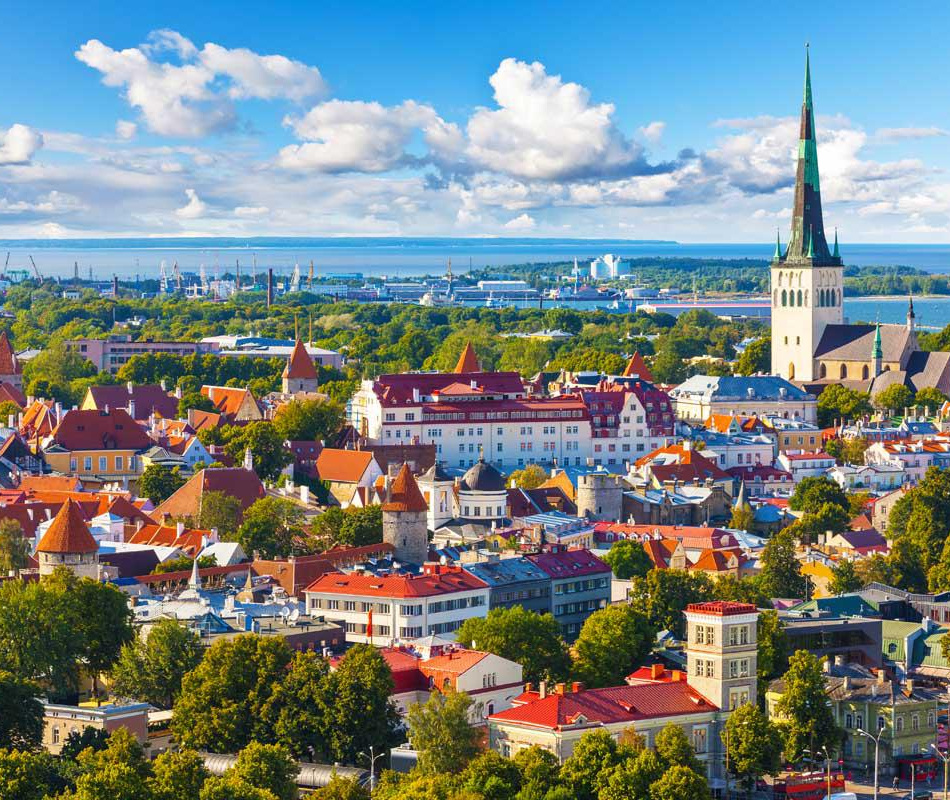
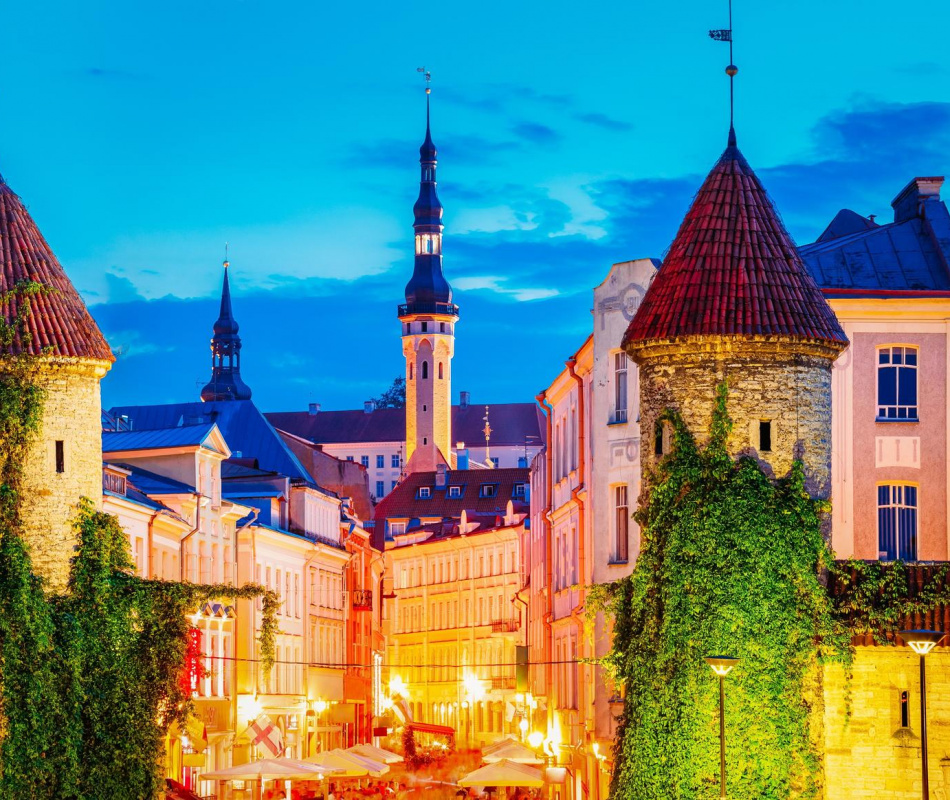
Tallinn’s historic centre is recognised as a UNESCO World Heritage property. A first exploration can connect the Upper Town and Toompea Castle with the Lower Town, Town Hall Square and the surviving medieval walls and towers. The programme can continue at Kadriorg Palace, the Kumu Art Museum and the contemporary Rotermann and Noblessner districts.
Hotel location shapes the experience. The Old Town is convenient for exploring on foot, although its cobbled streets and restrictions on vehicle access require consideration. Properties near the harbour, central districts or Kadriorg Park provide easier road access. Admission to popular museums, leading restaurants and seasonal performances should be arranged in advance.
Lahemaa and its manor houses
Lahemaa National Park lies east of Tallinn. Forests, raised bogs and coastal villages surround the historic estates of Palmse, Sagadi and Vihula. The park can be visited on a day trip, but staying for one or two nights allows more time for walking trails and the northern coast.
The condition of boardwalks and nature routes can change with the weather. A car with a driver is the most practical way to connect the manor houses, walking areas and smaller villages.
Saaremaa and Muhu
Saaremaa is Estonia’s largest island. Its defining sights include Kuressaare Episcopal Castle, windmills, juniper landscapes and the Baltic shoreline. Kuressaare also has a long-established resort and spa tradition.
Most road journeys reach Saaremaa by taking the ferry to Muhu from the mainland. Summer crossings and spaces for vehicles should be reserved in advance. At least two or three nights are recommended, as a day trip leaves limited time for the journey, the castle and the coast.
When to travel and how to plan the route
May to September is the most suitable period for the islands and nature-based itineraries. June and July bring particularly long days, as well as greater demand for accommodation and ferries. Autumn suits forest and bog landscapes, while winter works well for museums, spas and Tallinn’s festive season; snow cannot be guaranteed.
Trains provide a convenient connection between Tallinn and Tartu. Lahemaa, the western coast and the islands are better explored by car, with ferry timetables checked for the specific travel dates.