
Safaris in Serengeti National Park
Safaris in Serengeti National Park
Hotels


Serengeti safaris: choosing the right season and area
Serengeti National Park is one of Tanzania’s most important safari destinations and forms the core of the wider Serengeti–Mara ecosystem. Its open plains, river valleys, woodland and granite kopjes support wildebeest, zebra, elephants, giraffes and a remarkable variety of predators.
The park covers a vast area, making lodge location just as important as the standard of accommodation. Distances between regions are considerable, while the position of migrating herds changes throughout the year.
Where to stay in the Serengeti
Central Serengeti and the Seronera Valley work well for a first safari and for travel across different seasons. Resident wildlife is abundant, and the combination of open plains and kopjes provides good opportunities to observe big cats. The central area can, however, attract more vehicles during popular travel periods.
The southern plains and neighbouring Ndutu area are often selected between January and March, when large herds tend to gather and the calving season takes place. Part of Ndutu lies outside Serengeti National Park, so its location and conservation fees should be checked when planning the itinerary.
The Western Corridor tends to become more relevant towards the end of the rains and the beginning of the dry period. Northern Serengeti is frequently chosen between July and October, when herds may move closer to the Kenyan border. River crossings are driven by wildlife and weather conditions and cannot be guaranteed for a particular day.
When to visit Serengeti
June to October generally brings drier conditions that suit a classic safari. It is also a popular period, so well-positioned lodges and camps often require early booking.
The green season from November to May offers fresher landscapes, strong birdlife and fewer vehicles in some locations. The wettest conditions are usually experienced from March to May. Rain may affect road conditions and the operating schedules of some seasonal camps.
The Great Migration is a continuous natural cycle rather than a single event tied to one month or location. Herd movement depends on rainfall, water and fresh grazing, which is why accommodation should be selected around the actual travel dates.
Choosing a lodge or safari camp
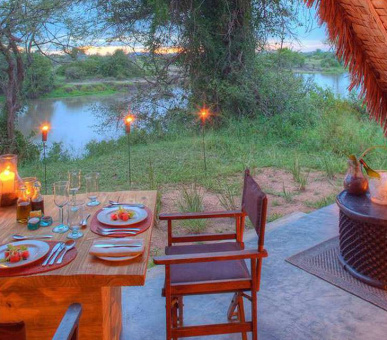
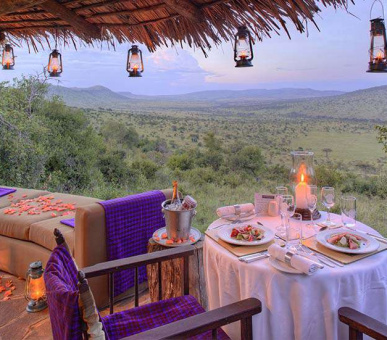
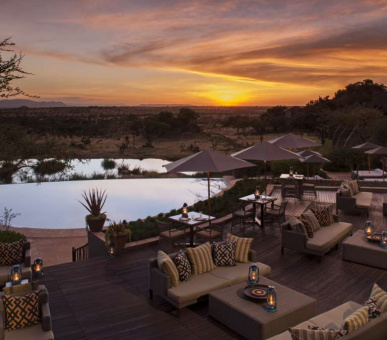
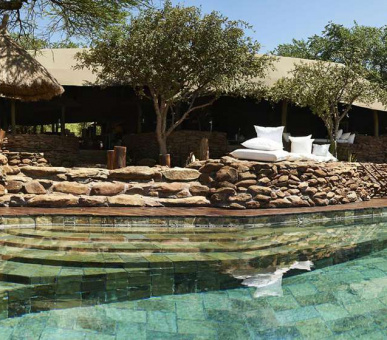
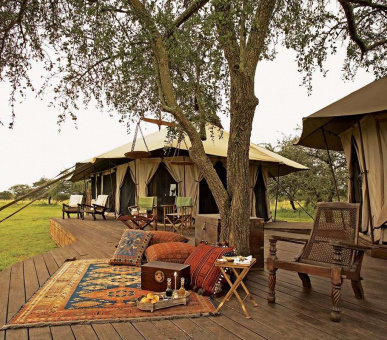
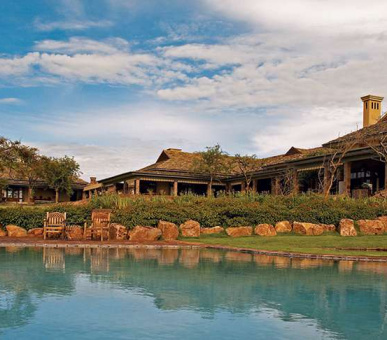
Permanent lodges provide established facilities and work well for longer stays. Seasonal tented camps may open or move closer to the expected route of the migration. The exact location, transfer time from the nearest airstrip and distance to daily wildlife-viewing areas should all be considered.
Some properties marketed as Serengeti accommodation are located in neighbouring reserves or private concession areas rather than inside the national park. Safari rules and available activities may therefore differ.
Planning a balanced itinerary
Daytime game drives are the main way to explore Serengeti. Balloon flights and guided walking safaris are available only in designated areas and remain subject to weather, permits and park regulations.
A single night rarely allows enough time to appreciate the park because of the long distances involved. A better itinerary focuses on one or two carefully selected areas and allows several nights in each. Serengeti can be combined with Ngorongoro, Tarangire or a Zanzibar beach stay using overland transfers or domestic flights.