
Safaris in the Ngorongoro Conservation Area
Safaris in the Ngorongoro Conservation Area
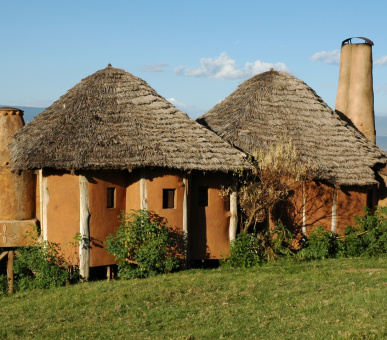

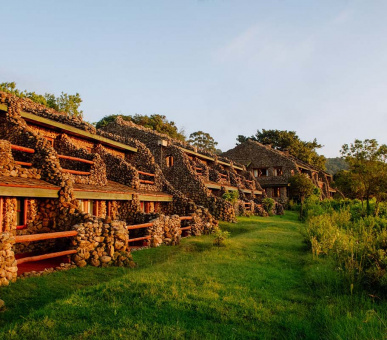


Ngorongoro safaris: crater, highlands and wildlife
The Ngorongoro Conservation Area extends far beyond the famous crater. It includes volcanic highlands, plains, savanna and forest and is managed as a multiple-use landscape where wildlife coexists with Maasai pastoral communities.
For most travellers, the main experience is a safari inside Ngorongoro Crater, a volcanic caldera approximately 20 kilometres across. Its floor contains open grassland, marshes, woodland and a lake, creating several wildlife habitats within a relatively compact area.
Wildlife in Ngorongoro Crater
Wildebeest, zebra, buffalo, hippos, elephants, lions, hyenas and many other species can be found on the crater floor throughout the year. The area also supports the endangered black rhino, although a sighting should never be promised.
Wildlife is not trapped permanently inside the caldera. Some animals move between the crater and the surrounding landscape. While wildlife density is high, each game drive is still shaped by weather, time of day and natural animal behaviour.
When to visit Ngorongoro
Ngorongoro offers year-round wildlife viewing. June to October generally brings drier conditions and thinner vegetation, making animals easier to spot. It is also a popular period, so the crater may feel busier.
The green season from November to May offers fresher scenery and strong birdlife. The heaviest rains usually occur between March and May. Rain and mist may affect roads and views from the rim, although crater safaris remain possible.
The crater rim lies at a high elevation and can feel cold in the early morning and evening. Warm clothing is useful for an early departure even during otherwise warm months.
Choosing where to stay
Lodges on the crater rim provide dramatic views and convenient access for an early descent. The choice is limited, however, and accommodation generally comes at a higher price.
Properties in the surrounding highlands or near Karatu offer a broader range of styles and can work well when combining Ngorongoro with Lake Manyara or Tarangire. Additional driving time to the conservation area entrance should be included in the daily plan.
Planning a balanced safari route
Ngorongoro is commonly included in Tanzania’s northern safari circuit alongside Serengeti, Tarangire and Lake Manyara. One or two nights allow time for a crater visit without an unnecessarily rushed schedule, while exploring the wider highlands and archaeological sites requires longer.
Olduvai Gorge and the northern plains should not be treated as a quick addition to a crater descent because they lie along a separate section of the route. The order of each stop should reflect the season, lodge location and onward journey towards Serengeti.