
Travel to Angkor
Travel to Angkor





Angkor: Exploring the Legacy of the Khmer Empire
Angkor is one of Southeast Asia’s most important archaeological sites. Covering approximately 400 square kilometres, it contains temples, ancient urban remains, reservoirs and other structures created during the Khmer Empire. Its best-known landmarks include Angkor Wat, Angkor Thom and the Bayon, as well as tree-covered Ta Prohm.
Siem Reap is the principal base for exploring the complex. From here, visits can be arranged with a private guide and driver, allowing the itinerary to reflect the available time and each traveller’s interests.
How much time to spend at Angkor
The principal monuments can be seen in one day, but the programme will be intensive. Two or three days provide a better-paced experience, with time for less-visited temples and breaks during the hottest part of the day.
Timing should take account of travel distances, light conditions and visitor numbers. Sunrise at Angkor Wat is atmospheric, although this is also one of the busiest times around the temple.
When to visit and where to stay
November to February usually offers the most comfortable conditions for extended sightseeing. March and April are generally hotter, making early morning temple visits a practical choice. The wetter season brings greener landscapes and potentially fewer visitors, but itineraries need greater flexibility.
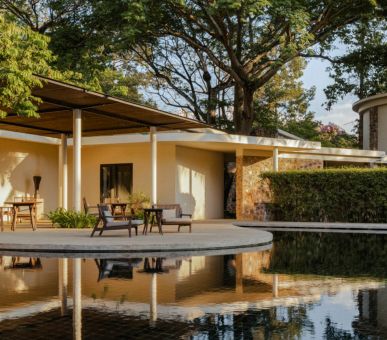
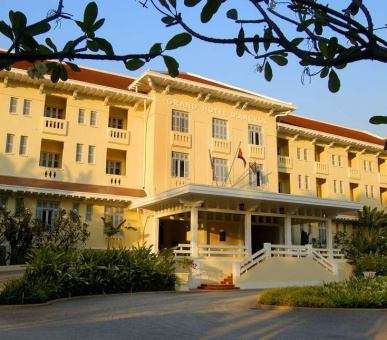
When selecting a hotel in Siem Reap, location, atmosphere and comfort after a day of sightseeing matter as much as the room category. A well-planned Angkor journey balances the major temples, knowledgeable guiding and enough time to rest.