
Da Nang Holidays
Da Nang Holidays












Da Nang holidays: beaches and Central Vietnam heritage
Da Nang combines a long sandy coastline with modern city life and easy access to some of Central Vietnam’s most important cultural sites. It works equally well as a beach destination and as a convenient stage within a wider journey through the region.
Five to seven nights are suitable for a relaxed coastal holiday. Three or four nights may be sufficient when Da Nang forms part of a more extensive sightseeing itinerary.
Choosing the right beach area
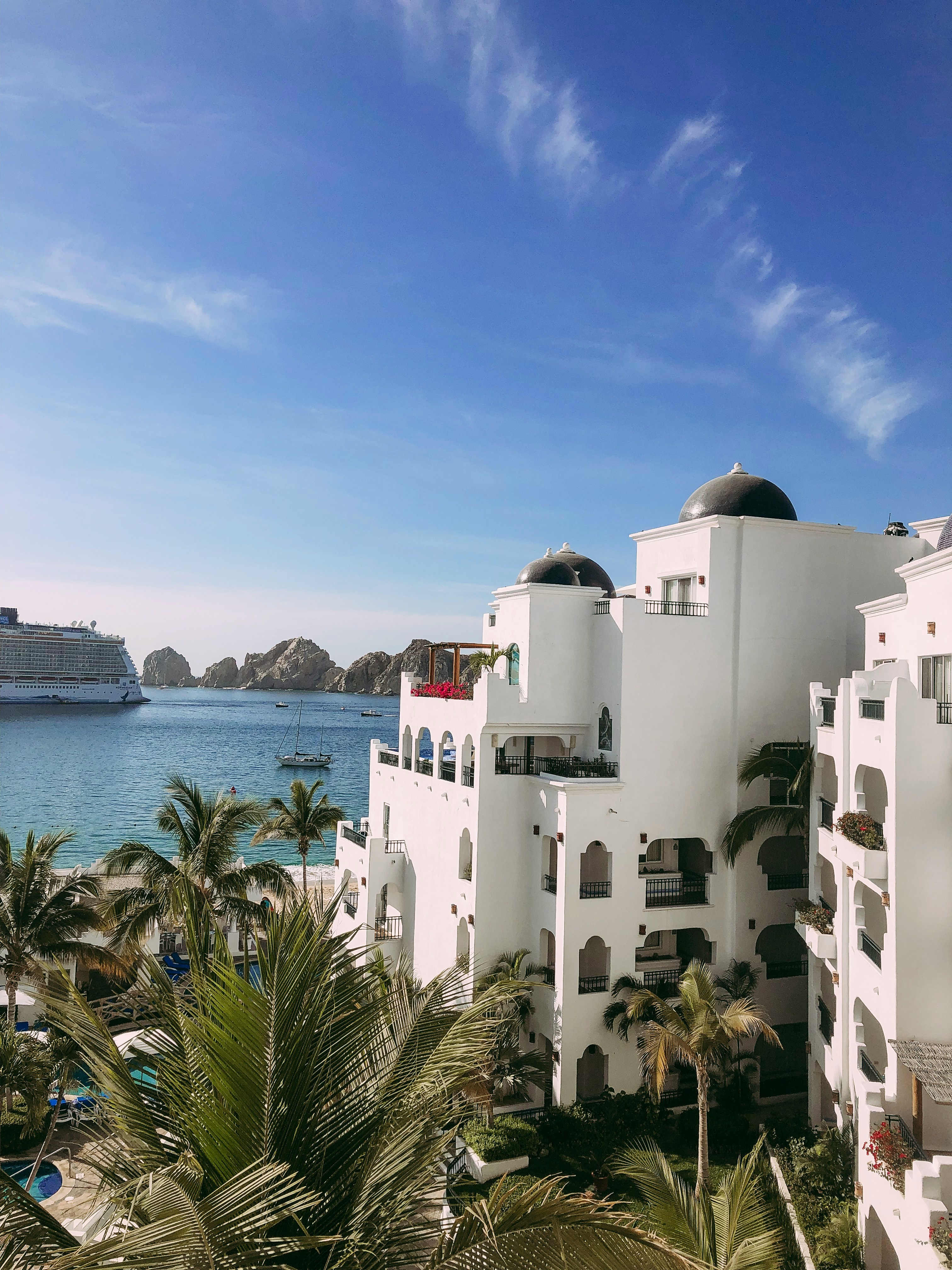
My Khe suits travellers who want the beach, restaurants and city amenities within easy reach. The seafront is lively, with a broad choice of hotels and dining, while central Da Nang is only a short drive away. As this is an urban beach, it can become busy with local activity.
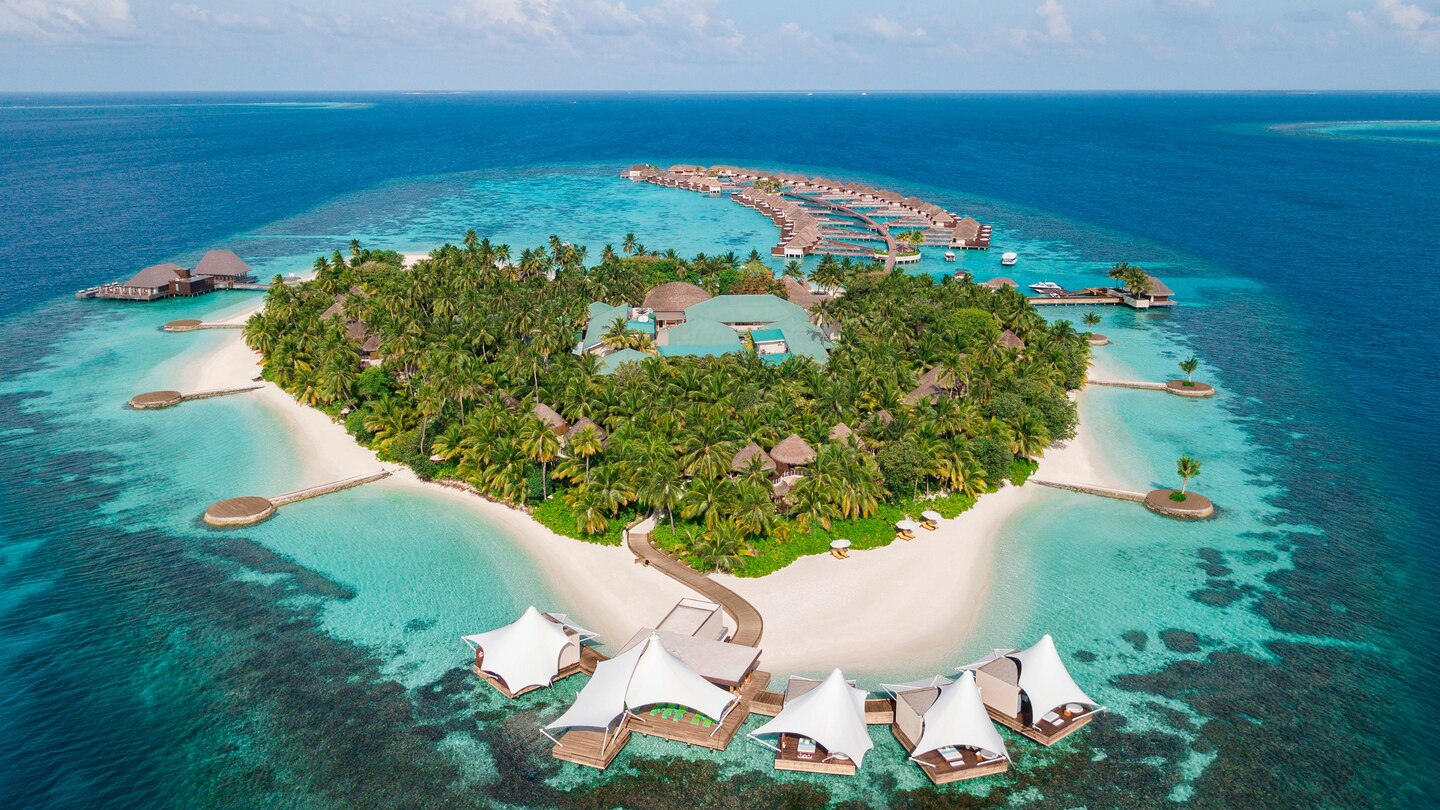
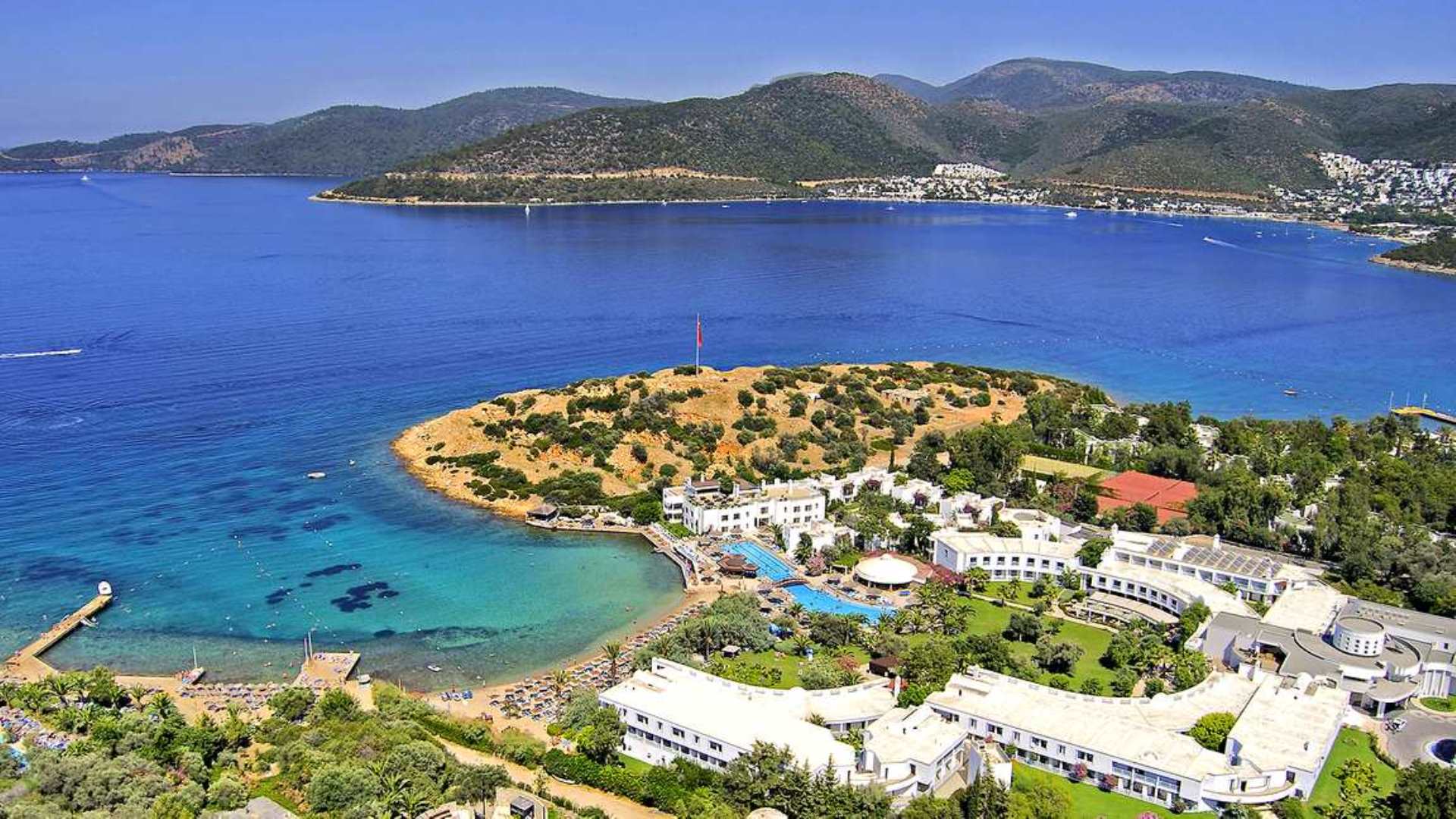
Bac My An and Non Nuoc, further south, offer a more traditional resort setting. Larger beachfront properties provide landscaped grounds, pools, villas and family facilities. These areas are better for spending more time within the resort, although transport is usually required for city dining and sightseeing.
The Son Tra Peninsula provides greater privacy, forested scenery and secluded bays. It is a strong choice for a nature-focused retreat, but transfer times to downtown Da Nang, Hoi An and other attractions should be considered.
What to see beyond the beach
Marble Mountains, the Museum of Cham Sculpture, Linh Ung Pagoda and the landscapes of the Son Tra Peninsula can all be included in a local programme. The Han River waterfront and the city’s illuminated bridges add an enjoyable urban contrast in the evening.
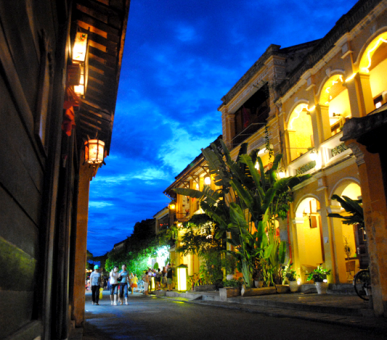
Da Nang is also a practical base for visiting Hoi An. A full day should be allowed for the historic town, while one or two overnight stays provide a slower experience beyond the busiest visiting hours. Longer itineraries may continue across the Hai Van Pass to Hue or include the My Son sanctuary.
When to visit Da Nang
March to August is generally the most dependable period for a beach-focused holiday. Spring offers comfortable conditions for sightseeing, while June to August tends to be hotter, with relatively calm sea conditions.
Rainfall and the possibility of tropical storms increase during autumn. From November to February, longer periods of rain, wind and cooler temperatures can affect swimming and outdoor plans. Travel remains possible, but the itinerary should not depend entirely on beach weather.
Planning the stay
Hotel selection should consider the exact coastal location, direct beach access, nearby restaurants and transfer times. A city-facing property near My Khe provides a very different experience from a self-contained resort in Non Nuoc or a secluded retreat on Son Tra.
Da Nang can serve as a single base for exploring the surrounding region. However, dividing the stay between Da Nang and Hoi An reduces repeated transfers and allows travellers to experience the historic town in the quieter early morning and evening hours.