Tailor-made journeys through New Zealand
New Zealand rewards careful planning. Its natural regions are separated by considerable distances, while roads follow mountains, lakes and coastlines. The South Island is known for fiords, glaciers and the Southern Alps; the North Island for geothermal landscapes, Māori culture and sheltered bays. At least two weeks should be allowed when combining both islands.
Queenstown and the Southern Alps
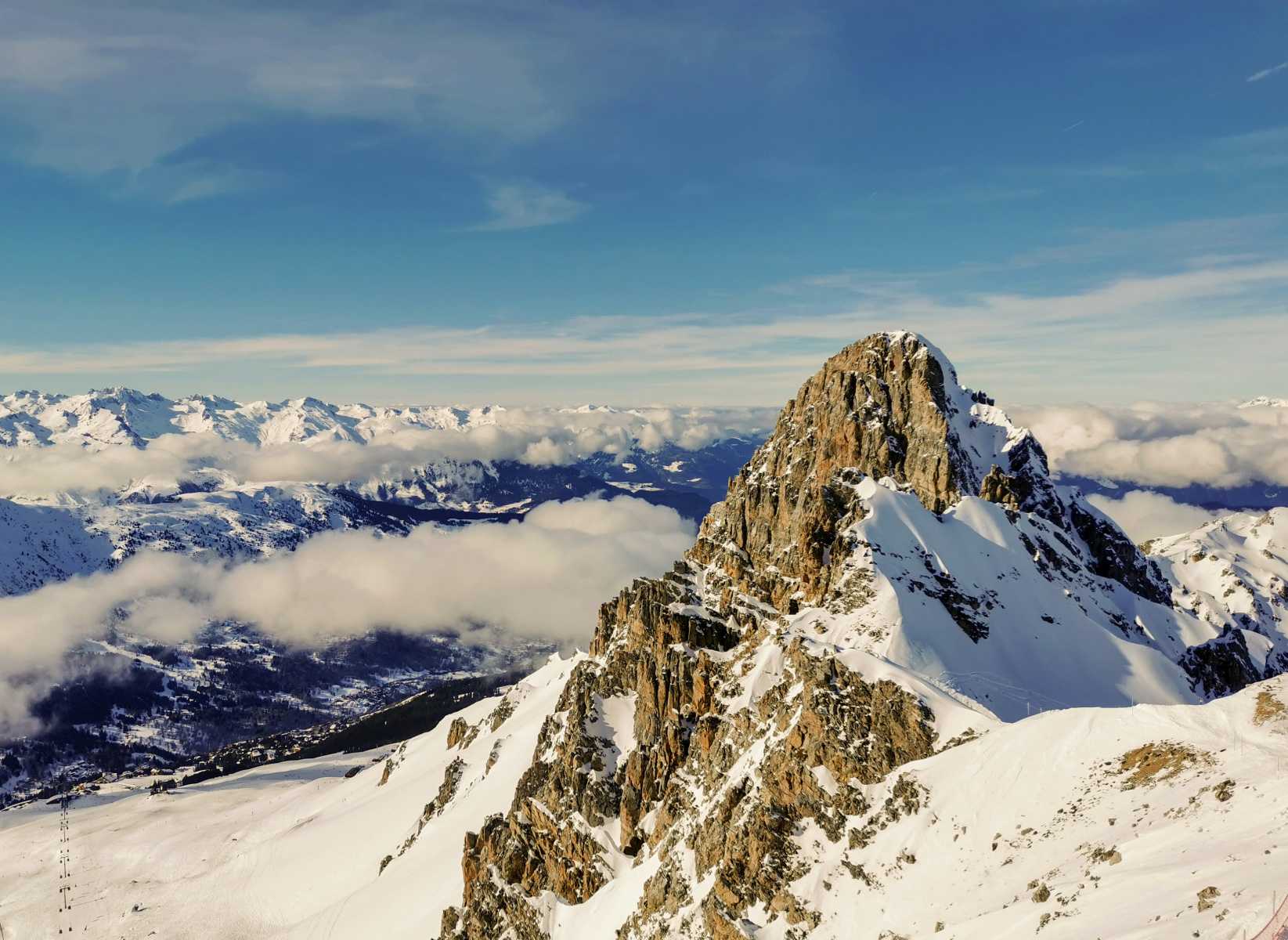
Queenstown lies beside Lake Wakatipu and provides access to Wānaka, Mount Aspiring National Park and Central Otago. A journey can include a flight over the Southern Alps or a landing near a glacier. These experiences depend on weather conditions, so a flexible day should remain in the itinerary.
The road to Aoraki Mount Cook passes Lakes Tekapo and Pukaki. Walking routes should be chosen according to the travellers’ experience and current trail conditions.
Milford Sound and Fiordland
Fiordland forms part of Te Wāhipounamu, a UNESCO World Heritage area encompassing four national parks. Milford Sound can be explored by boat, from the air or during a journey from Queenstown and Te Anau. Weather changes quickly, and rainfall is possible throughout the year.
The Milford Track is a four-day walk requiring advance reservations for huts and transport. Outside the main Great Walks season, snow, flooding, short daylight hours and avalanche hazards make conditions considerably more demanding.
The North Island and Māori culture
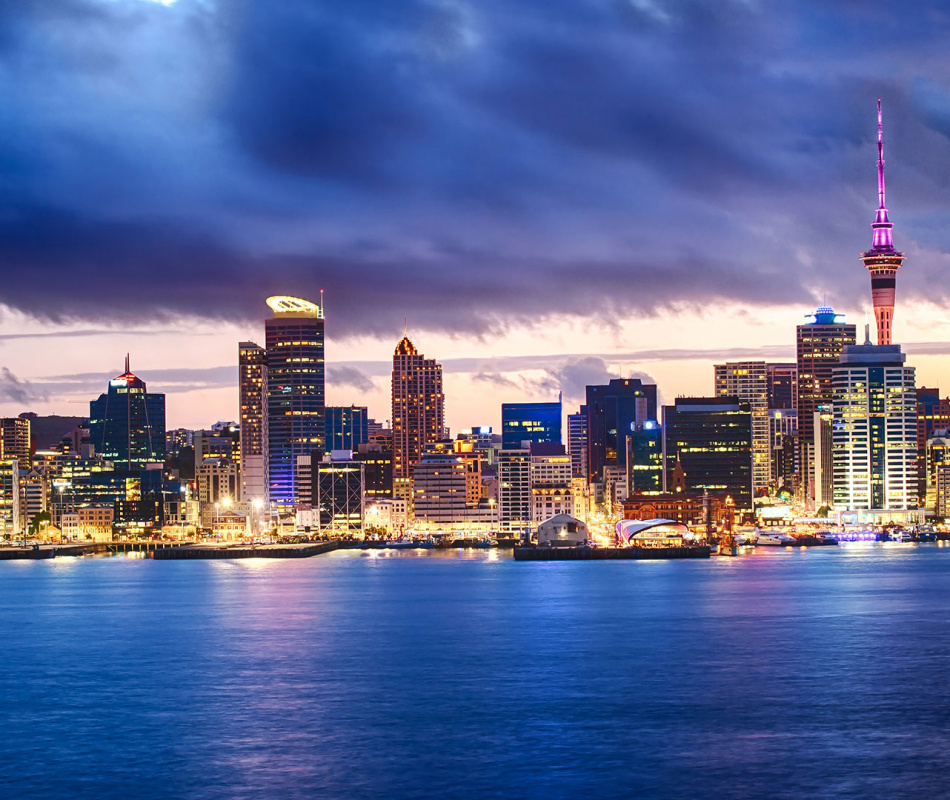
Auckland can be combined with Waiheke Island and its wine estates. Rotorua is known for hot springs, geysers and Māori cultural centres. Farther north, the Bay of Islands offers coastal journeys and an introduction to New Zealand’s early history.
Domestic flight schedules and the crossing between the North and South Islands should be considered when planning the sequence of the journey.
Wine regions and the best time to visit
Marlborough is associated with Sauvignon Blanc, Central Otago with Pinot Noir and Hawke’s Bay with red wines and historic estates. Tastings and vineyard lunches should be arranged in advance.
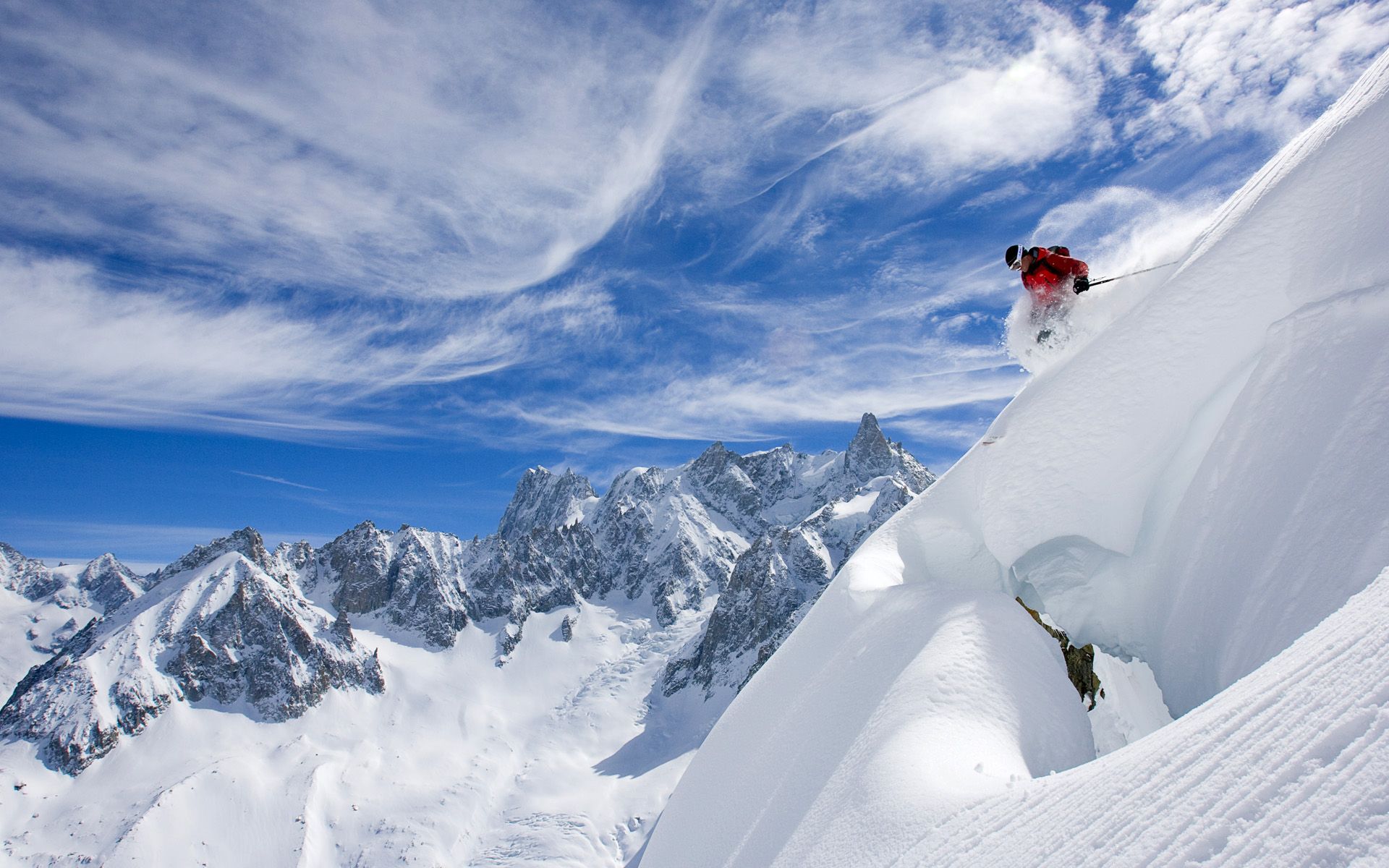
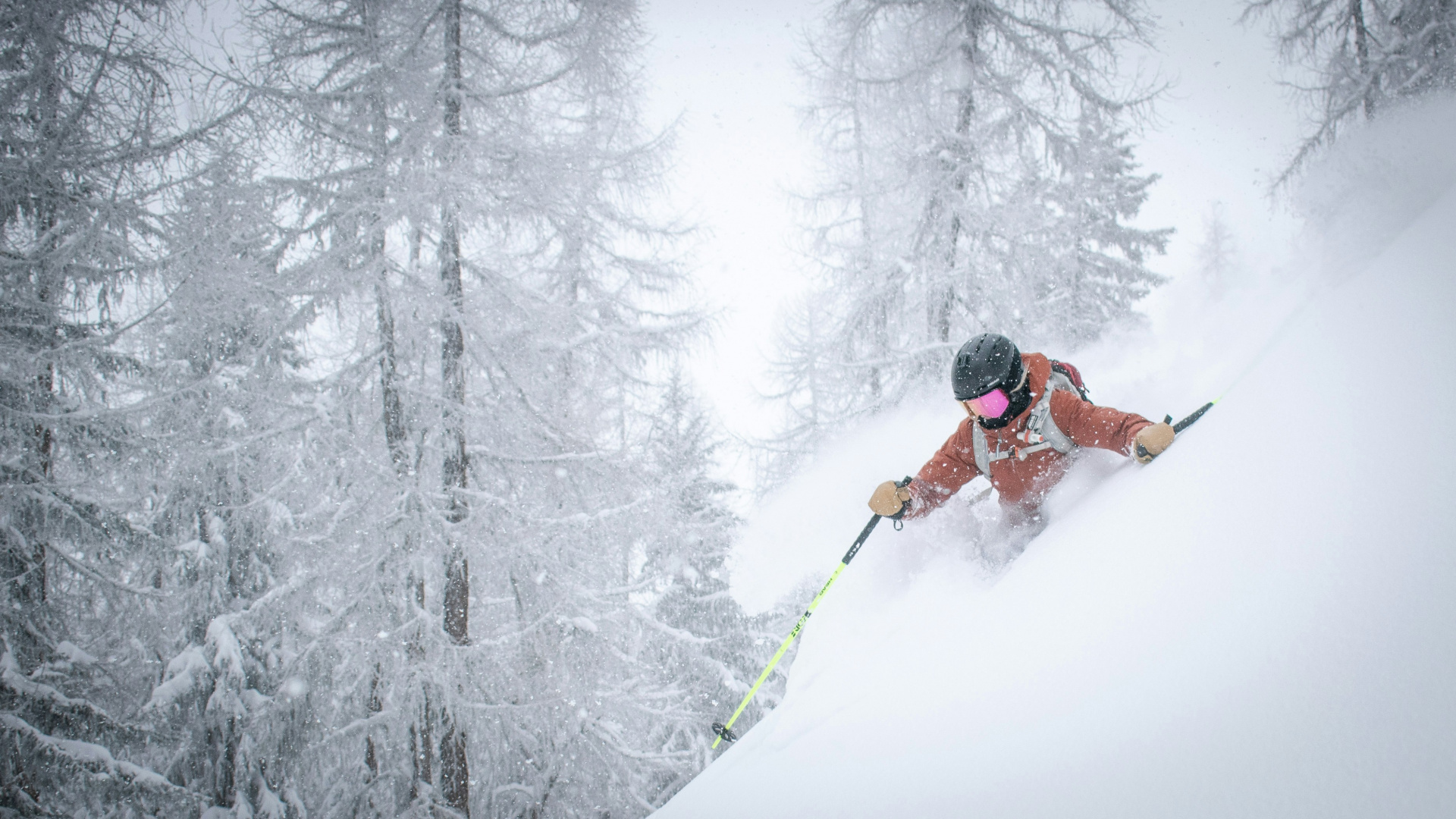
Summer runs from December to February and suits longer journeys. Autumn brings the wine harvest and changing colours in Central Otago. Winter is the season for the ski areas around Queenstown and Wānaka, while mountain weather remains changeable in spring. Allow ten to fourteen days for the South Island or two to three weeks for both islands.