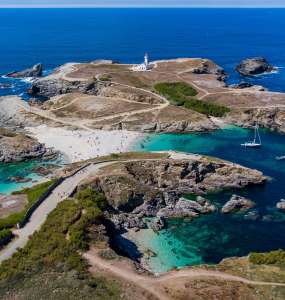
"ODYSSEY." MYTH AND REALITY
Christopher Nolan's new "Odyssey" is an adaptation of Homer's poem of the same name. The film features a host of Hollywood actors. And most interestingly, the places visited by the King of Ithaca actually exist.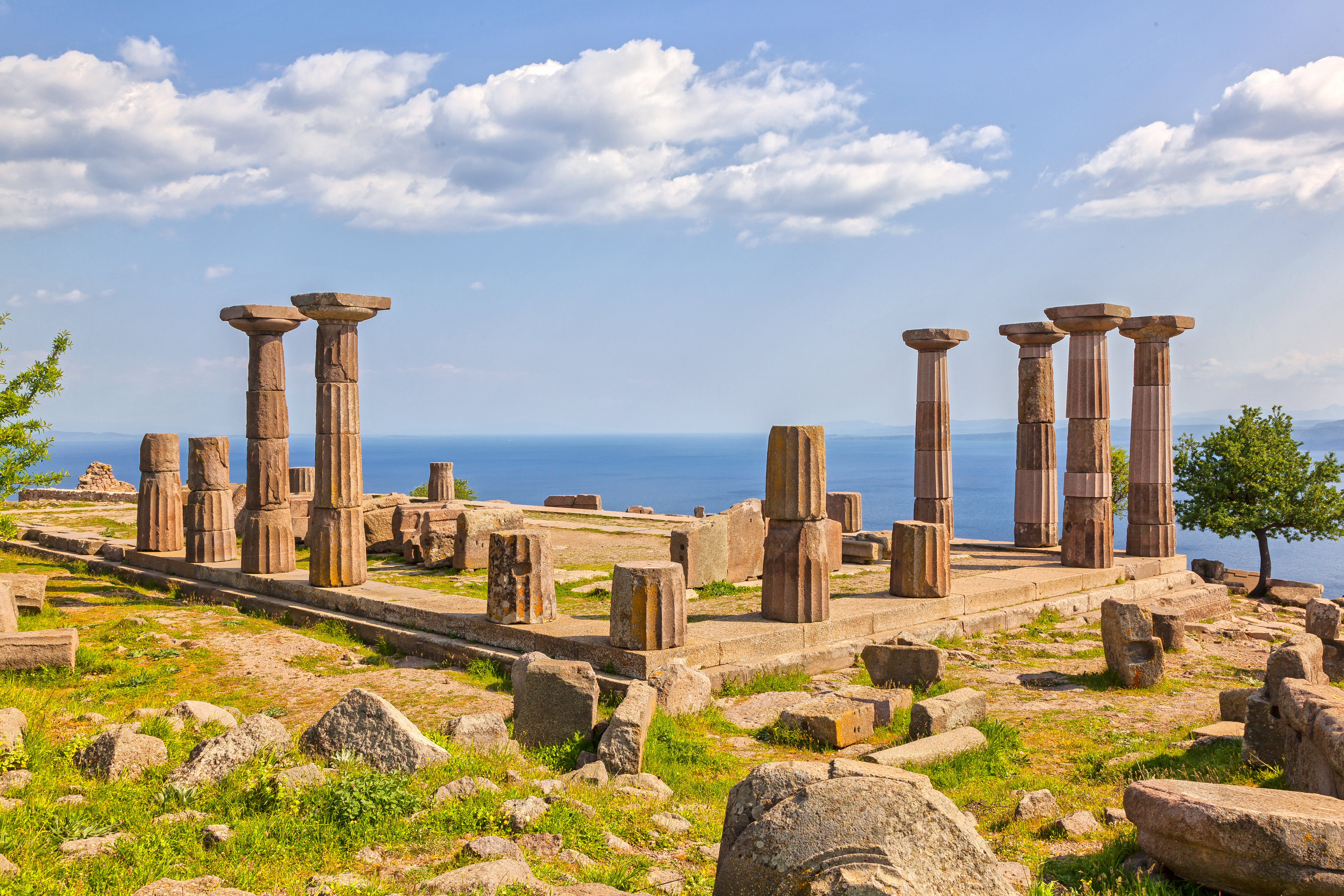
1. Ithaca – Ithaca (Greece)
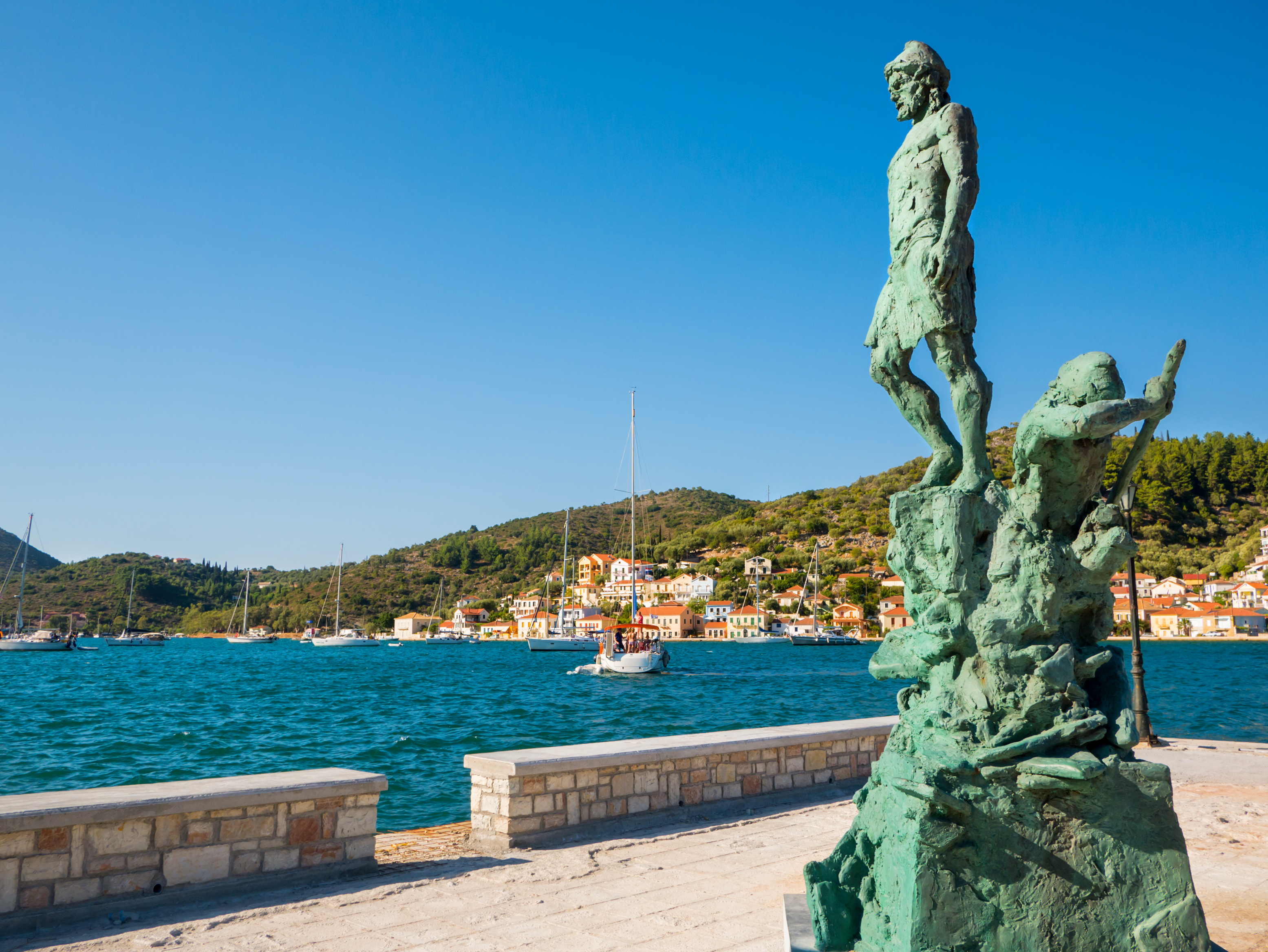
This island in the Ionian Sea symbolizes the return home. Everything here speaks of Homer and his works: a sanctuary and palace of Odysseus were discovered near the village of Exogi; according to legend, the King of Ithaca hid treasures offered to him by the Phaeacians in the Cave of the Nymphs; and a statue of Odysseus greets the audience at the port of the main city of Vathi. Ithaca's lush forests and mountains attract hiking enthusiasts. Stunning views of the island and neighboring Kefalonia open up from Kathara Monastery at an altitude of 600 meters. Ithaca is renowned for the beauty of its beaches and exceptionally clear sea. Cucina povera (poor man's cuisine) coexists here with Venetian and English culinary traditions. Sixteen indigenous grape varieties grow on the island. The best way to discover the diversity of local wines is at the Troy Wine Festival, which takes place on the last Saturday of July.
2. Troy - Hisarlik (Turkey)
The ancient city of Troy is located in Çanakkale in northwestern Turkey. Here, on Hisarlik Hill, monuments from various eras have been preserved, reflecting the continuous succession of civilizations, beginning in the third millennium BC. During excavations, 10 historical and cultural layers were discovered, including fortifications and religious structures, residential and public buildings, an amphitheater, communications, and numerous artifacts that reveal how people lived during various periods.
A visit to UNESCO-protected Troy can be combined with a vacation on the Aegean Sea, for example in Assos, a city with an old town on a hill and a port below. It was founded 1,000 years BC by immigrants from the Greek island of Lesbos. Aristotle once opened an academy here and taught biology. This region remembers the Persians and Alexander the Great; Cleanthes, one of the founders of Stoicism, was born here, and St. Paul preached here. Among the surviving landmarks is the Temple of Athena, dating from 530 BC—the only Doric temple in Asia Minor. It rises 238 meters above sea level, offering views of the ancient city of Pergamon and Lesbos. Of its original 38 columns, only six remain. Elements of the temple are now included in the collections of many museums, including the Louvre. A 3rd-century BC amphitheater with a panoramic view of the sea, which could accommodate 5,000 spectators, still survives. Nearby is an agora with two porticoed galleries housing shopping arcades, as well as fortress walls with 14-meter-high gates. The mosque near the Temple of Athena underscores the important role of Assos throughout the centuries. The island of Bozcaada, at the entrance to the Dardanelles Strait, is part of Çanakkale Province. Turkey's third-largest island, Bozcaada boasts a fascinating 5,000-year history. The fortress of the same name, built by the Byzantines and rebuilt under the Venetians and Ottomans, as well as Greek and Turkish quarters, are preserved here. The island boasts beautiful beaches and is popular with scuba diving, sailing, and windsurfing enthusiasts. Grapes have also been grown and wine produced here since ancient times, and a wine festival is held in early September.
3. Thismar - Maronia (Greece)
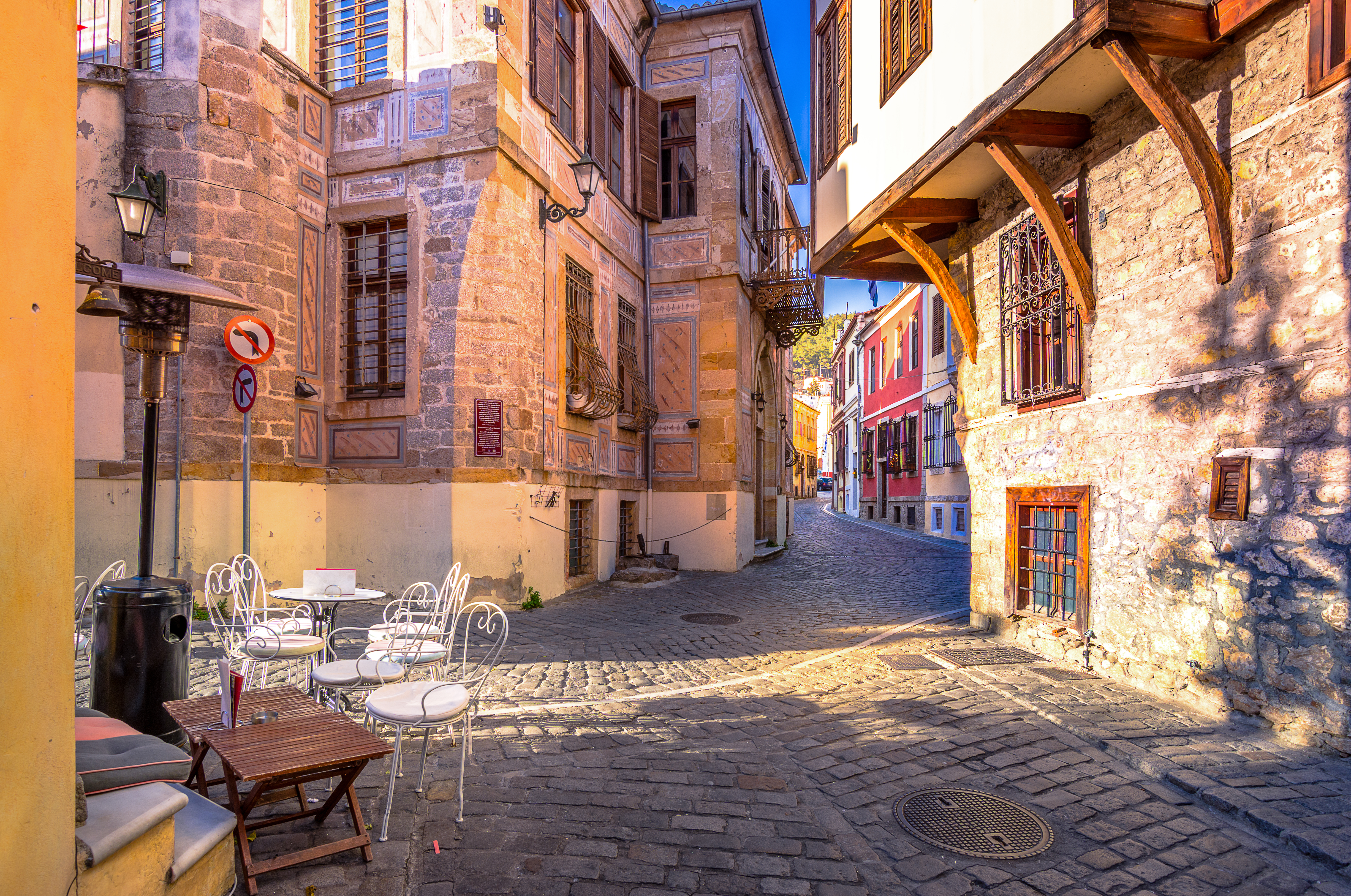
The village of Maronia is located in Thrace, northeastern Greece. It's a wonderful destination for those looking to discover a "different" Greece: with an abundance of monuments from the Byzantine, medieval, and Ottoman periods, the coexistence of Orthodox and Muslim faiths, and an incredible natural wealth. Mountains and caves, rivers and lakes, dense forests, and the endless beaches of the Aegean Sea offer a diverse vacation. One of Europe's most beautiful lakes, Vistonida, is located here, home to 260 bird species, including rare ones: from herons and flamingos to white-tailed eagles and griffon owls, of which only 13,000 live in the world. A lakeside getaway can be complemented by a visit to the town of Xanthi, whose cobbled streets blend Ottoman-era buildings, Greek neoclassical mansions, and Byzantine churches. Odysseus got the Cyclops Polyphemus drunk with local wines.
4. Land of the Lotus Eaters – Djerba (Tunisia)
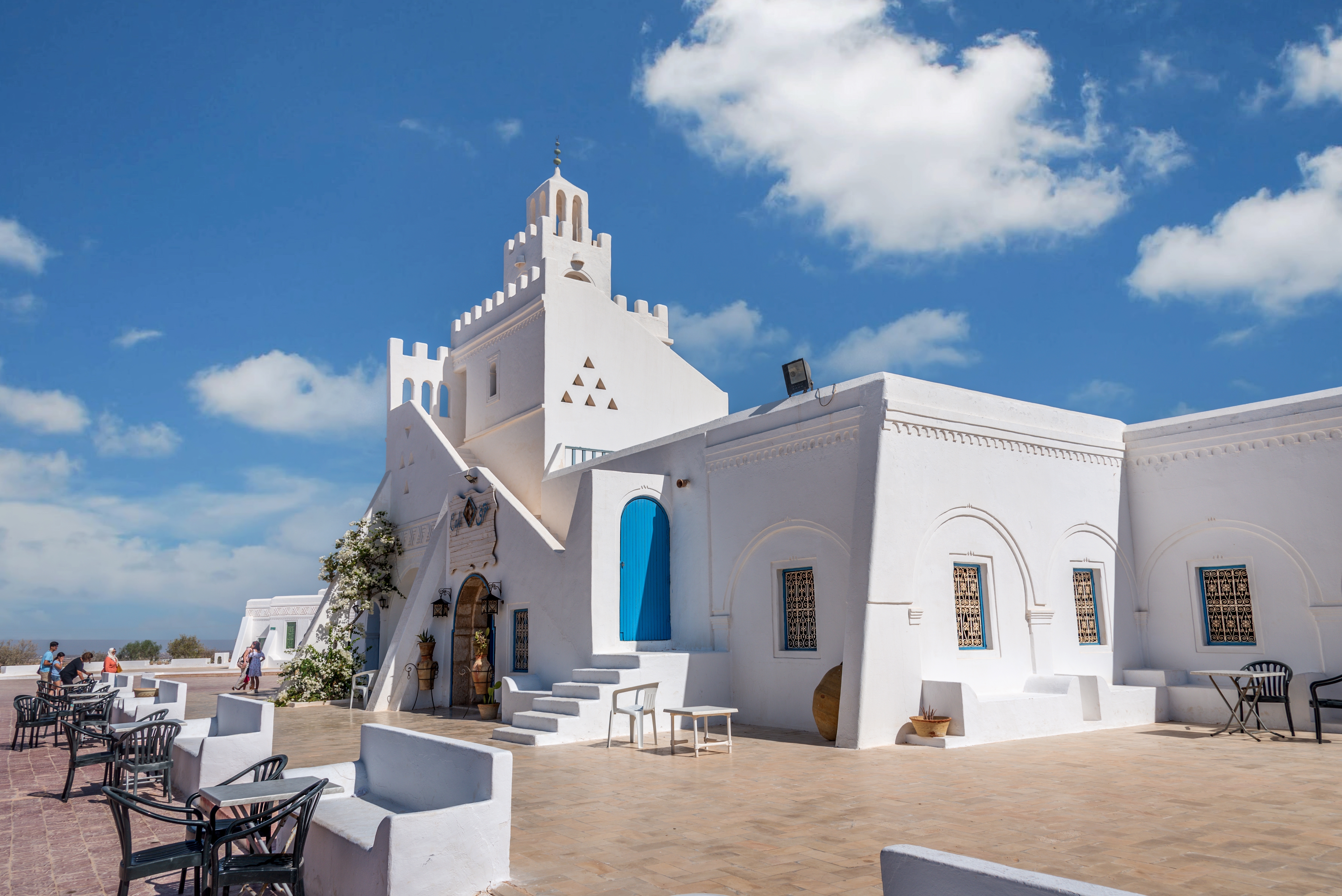
Even if you haven't been to Tunisia but have watched Star Wars, you're already familiar with the island of Djerba, a UNESCO World Heritage Site. Situated in the Mediterranean Sea, it's famous for its white-sand beaches, traditional markets, and ancient synagogues. The island retains traces of Phoenician, Roman, and Berber occupation. The main town, Houmt Souk, with its whitewashed buildings, blue shutters and doors, and cobbled streets, is reminiscent of Santorini. You can visit the El Ghriba Synagogue, founded in the 6th century BC. e., with magnificent mosaics, tiles and stained glass windows and one of the oldest Torah Scrolls in the world, the Museum of Traditional Heritage, stroll through the Ghazi Mustafa Fortress, visit Djerba Explore Park with a traditional island village, the Museum of Islamic Cultural Heritage and Art and a crocodile farm, get acquainted with the pottery traditions in the village of Guellala: this craft originated here during the ancient Romans, and today 500 workshops are represented. And then, set sail on a pirate ship for Flamingo Island.
5. The Island of the Cyclopes – Sicily
In 1787, Goethe wrote in "The Italian Journey": "To see Italy without seeing Sicily is to have seen nothing of Italy, for Sicily is the key to everything." Even before the Greeks arrived in these lands, the Sicels lived here, leaving behind the Pantalica necropolis – over 500 rock tombs dating from the 13th to 7th centuries BC. Syracuse is one of the finest monuments of ancient Greek civilization outside of Greece and one of the main cities of Magna Graecia. Its amphitheater, carved into the hillside, is still used for performances today. Selinunte and Segesta are reminders of the Greeks, but nowhere is the legacy of that period better preserved than in the Valley of the Temples in Agrigento, a UNESCO World Heritage Site. It looks magical in the rays of the setting sun and under artificial lighting at night.
Villa Romana del Casale, also a World Heritage Site, preserves striking examples of ancient Roman mosaic art. The Normans, who came to Sicily a thousand years ago, were descendants of the Vikings and subjugated all of Western Europe. The warrior blood that ran through them can be felt in the Monreale Cathedral, whose mosaic patterns bring Old Testament scenes to life, as well as in the Cathedral of Cefalù, the Church of Santa Maria dell'Ammiraglio, and the Palatine Chapel of the Norman Palace. The Norman Palace itself is called the "autobiography of Sicily," as it has been rebuilt over the centuries, changing its purpose. The late Baroque cities of the Val di Noto region—Noto, Catania, Ragusa, Modica, and others—were rebuilt from scratch after the 1693 earthquake. It was then that the late, or Sicilian, Baroque style emerged. All these landmarks are not only beautifully preserved, but also integrated into everyday life: cafes line centuries-old cathedrals, and ancient stones line modern streets. You can stroll through centuries-old towns in the morning, take a dip in the sea after lunch, and watch the sun illuminate the thousand-year-old mosaics with gold in the evening.
6. Aeolia – Aeolian Islands
The Aeolian Islands are one of seven World Heritage Sites in Sicily. There, you can climb to the Vulcano crater, from where you can see all the islands of the archipelago, taste Malvasia – a wine produced for centuries on the island of Salina, swim among the underwater fumaroles off the island of Panarea, take a night hike to Stromboli, and experience healing in the hot sulfur springs.
7. Land of the Laestrygonians – Formia (Italy)
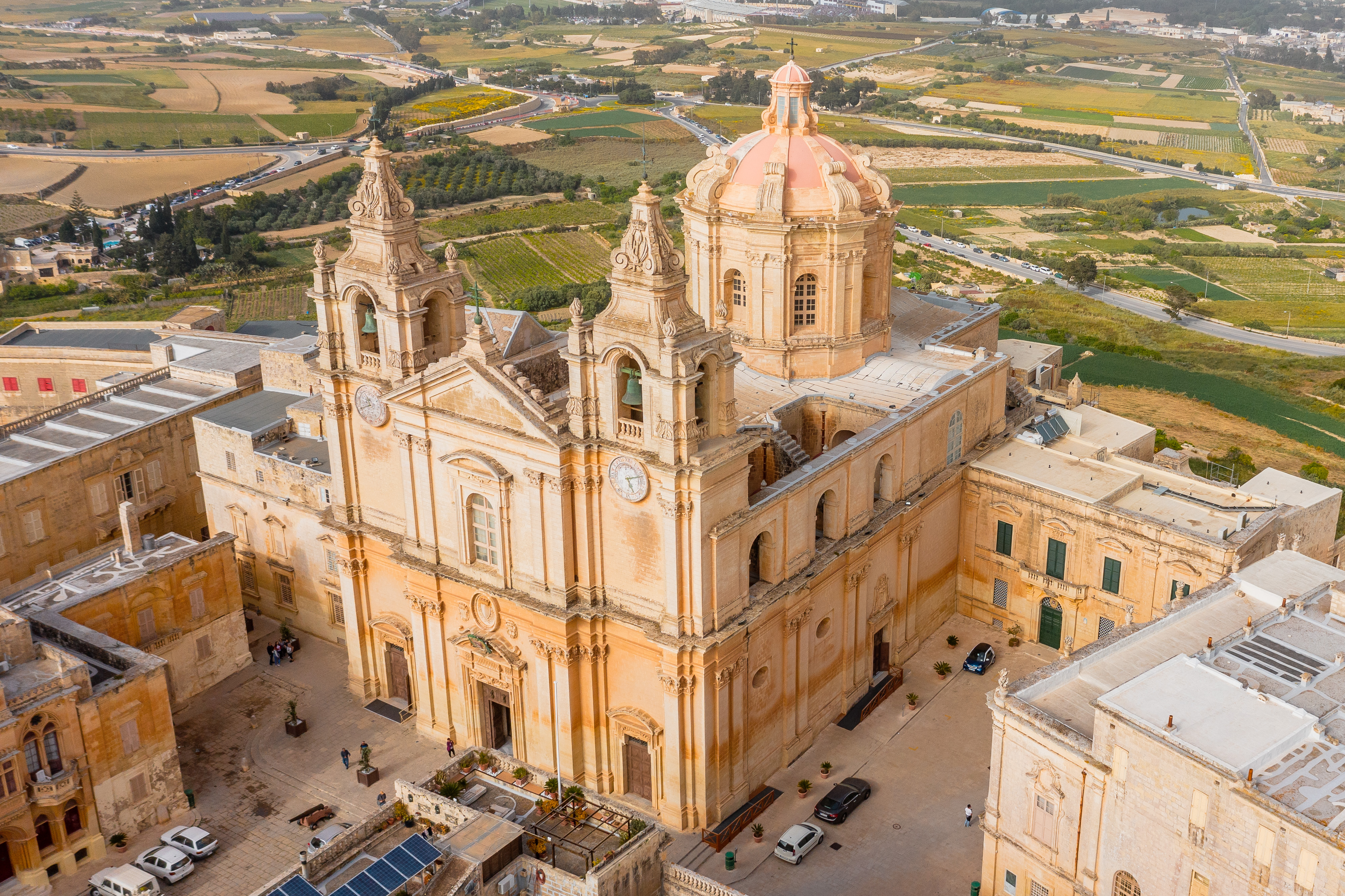
Formia is a city on the coast of the Gulf of Gaeta in the Tyrrhenian Sea. In ancient times, members of the Roman nobility built luxurious villas here, and the ruins of many of them remain to this day. Roman cisterns—enormous underground water reservoirs—have survived. A statue of Christ the Redeemer stands at the top of the hill, also serving as one of the resort's best viewing platforms. The port is greeted by the medieval Mola Tower, formerly part of the fortress of the same name built over ancient Roman thermal baths. In the nearby town of Gaeta, an Angevin-Aragonese castle overlooks the sea. Other ancient landmarks include the Sanctuary of the Most Holy Trinity, founded in 930 by Benedictine monks on Montagna Spaccata, directly above the sea, next to the Grotta del Turco, reached by 300 steps. Formia is conveniently combined with a visit to Rome or Naples.
8. Aeaea – Ponza (Italy)
The mythical island of Aeaea is the home of the sorceress Circe. In reality, it corresponds to Ponza, the largest of the Pontine Islands in the Tyrrhenian Sea. These islands are the summits of a huge underwater volcano. Steep cliffs, sea caves, azure waters, and cozy towns, the main one of which is also called Ponza, attract those who enjoy off-the-beaten-path exploration. These areas were inhabited by the Phoenicians as early as the 9th century BC. The Romans built underground cisterns and tunnels here. In 813, the island was devastated by the Saracens, and the Roman fortress was razed to the ground. For a century, Ponza lay deserted due to pirate raids, and it was not until 929 that the fort's bastions were restored. Pirates continued to destroy the fortified walls repeatedly until 1734, when the Duke of Parma and future King of Spain, Charles III, claimed the island, expanding, strengthening, and modernizing the fortifications. Today, this historical and architectural monument has been converted into the Torre dei Borboni Hotel, with stunning sea views. This is the site of the former villa of the daughter of Octavian Augustus, the most powerful emperor of the Roman Empire. The hotel is surrounded by lush gardens and vineyards. The Pontine Islands can easily be combined with Formia in a single trip by yacht or ferry.
9. Ogygia – Gozo (Malta)
The mythical island of the nymph Calypso, where Odysseus spent seven years, was "copied" from Gozo, Malta's second-largest island, located 5 km (25 minutes by ferry) from the main island. The Ggantija temple complex, literally "Tower of the Giants," has survived on Gozo since Neolithic times. Built in 3600 BC, it is one of the oldest religious buildings on the planet, second only to Göbekli Tepe in modern-day Turkey. Both are UNESCO World Heritage Sites. The citadel, with its modern tourist center, museums (folklore, archaeology, and natural history), a former prison, a cathedral, and a cathedral museum, are visible from everywhere on the island.
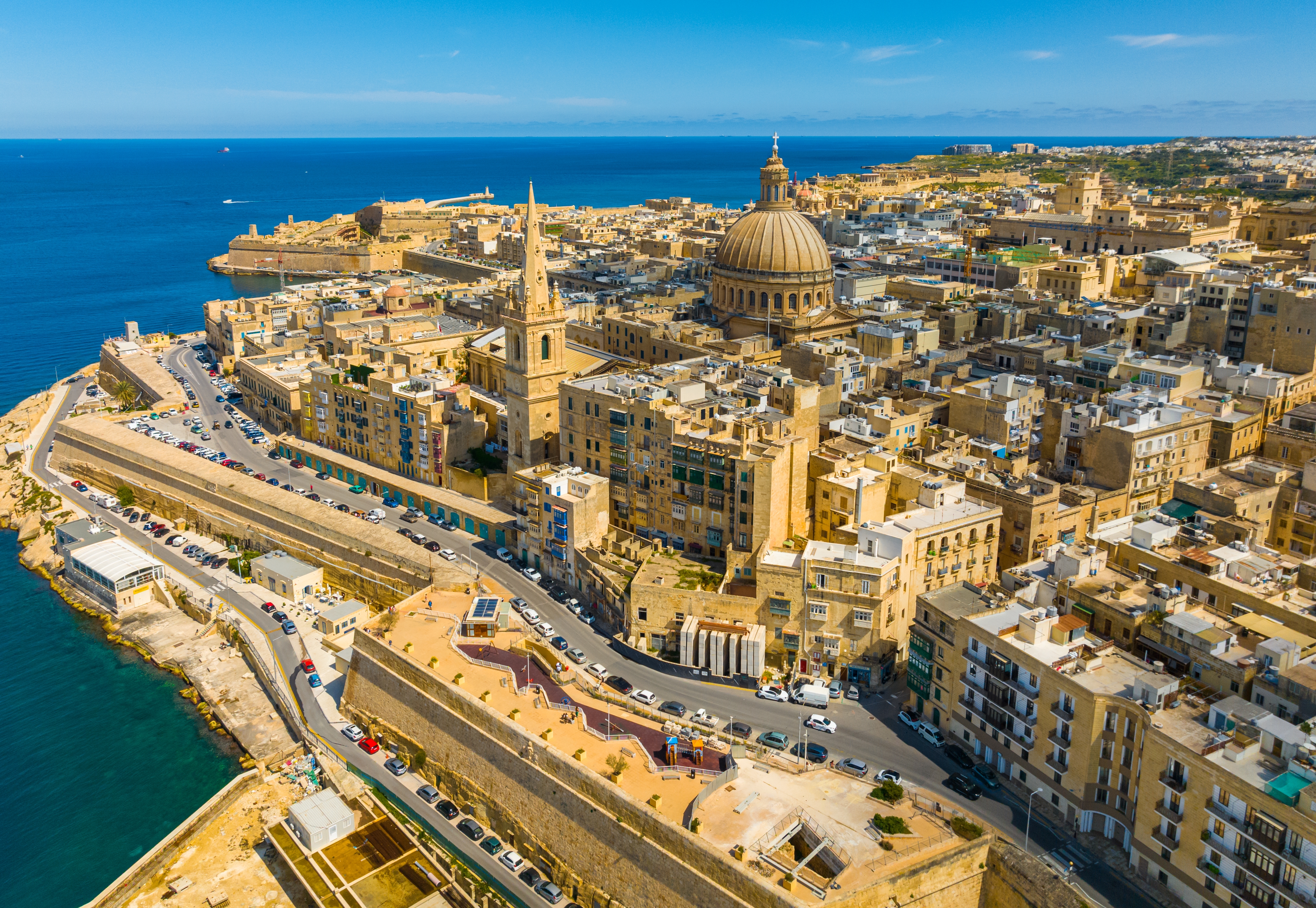
A visit to Gozo is unthinkable without a tour of the country. Its oldest settlement was in the Ghar Dalam cave: people lived there 7,400 years ago; today, a museum is open. Malta has been visited by the Carthaginians, Romans, Byzantines, Arabs, Normans, and Sicilians. In 1530, the Knights Hospitaller arrived, and 3.5 centuries later, Malta became a British protectorate. Modern Malta owes its architectural splendor to the Hospitallers, whose motto was "to defend the faith and help the poor." They erected defensive fortifications and invested in economic and cultural development. Under their rule, the current capital, beautiful Valletta, emerged, "built by gentlemen for gentlemen" and named after Grand Master Jean de la Valette. This miniature city (600 m by 1000 m) contains over 300 historical and cultural monuments and numerous other attractions. The Cathedral of St. John is the burial place of noble Knights of the Order of Malta, and the oratory houses Caravaggio's "The Beheading of St. John the Baptist," painted during his stay on the island. It is Caravaggio's largest painting, measuring 3.7 by 5.2 meters. The subjects are depicted almost life-size. Caravaggio himself was likely pleased with the result, as this is the only painting signed by the artist. Its monumentality is compared to da Vinci's "Mona Lisa." Another masterpiece of that period is the Grand Master's Palace, which served as the governor's palace during British rule and later as the seat of the country's first constitutional parliament. Today, it houses the presidential office, but most of it is open to visitors.
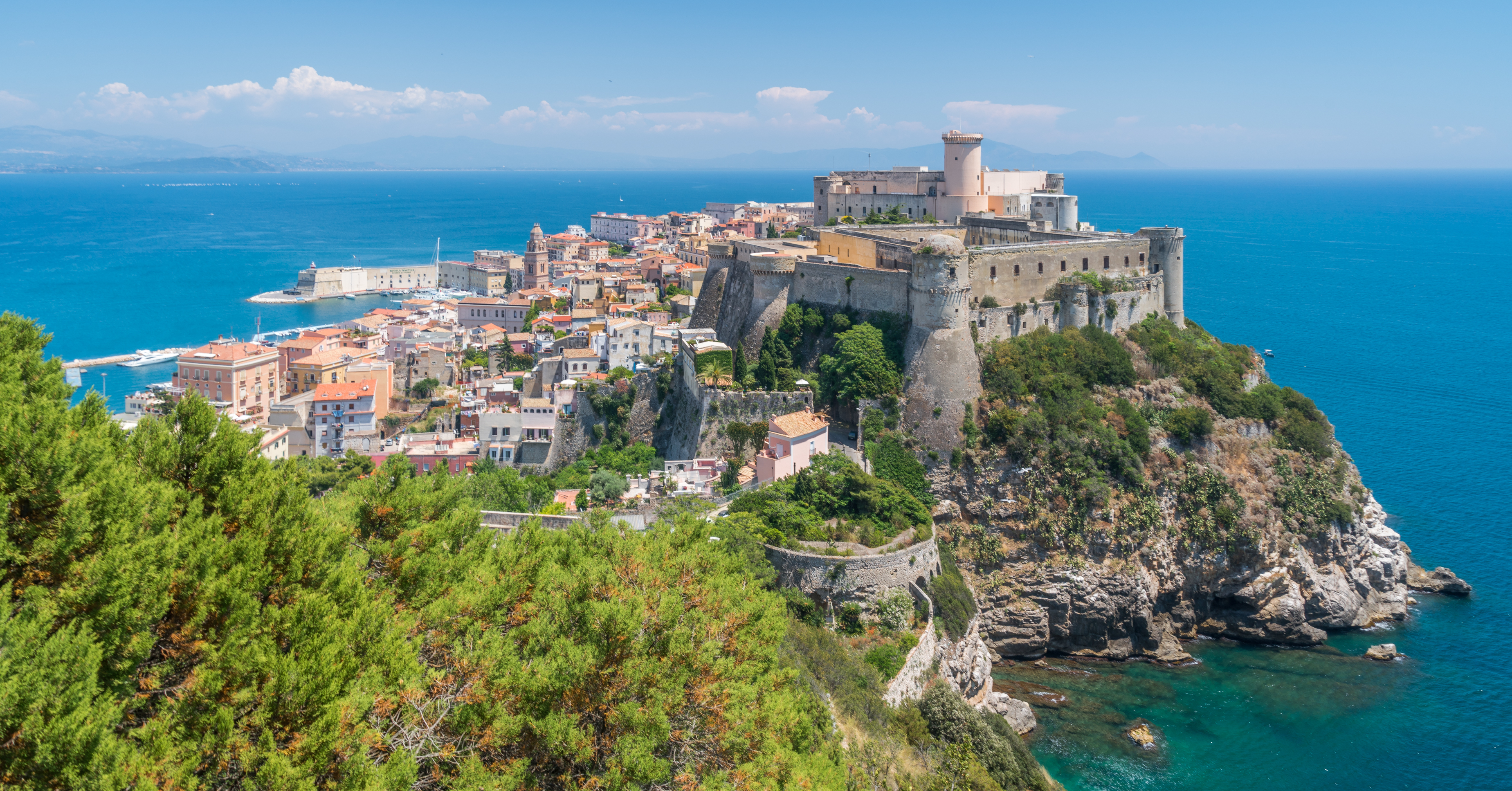
You can see frescoes depicting the Great Siege of Malta in 1565 by Matteo Perez d'Alessio, as well as 18th-century Baroque ceiling paintings. Fine tapestries and a 5,700-piece collection of 16th- and 17th-century weaponry are also housed here. The Knights Hospitaller also built the Manoel Theatre, which also serves as a philharmonic hall. In 1552, the Knights erected Fort St. Elmo, which held off an Ottoman attack for a month and prevented them from entering the city. Today, it houses the National War Museum, which chronicles the history of Malta during the First and Second World Wars. Fort St. Angelo, one of Valletta's oldest structures, is open to the public in the center of the Grand Harbor. Casa Rocca Piccola, a 16th-century palace owned by a noble Maltese family, has been converted into a museum, restaurant, and boutique hotel. The Phoenicia Malta hotel boasts nearly a century of history, having hosted Elizabeth II, Churchill, Gérard Depardieu, Arnold Schwarzenegger, and other distinguished guests. Just 13 km from Valletta lies the ancient capital, the "silent city" of Mdina, whose history spans 4,000 years. Its bastions host the "Knights of Malta" exhibition, which explores the Hospitallers' contribution to the country's prosperity. The 13th-century Palazzo Falson, now a museum, houses collections of silver, furniture, jewelry, oriental carpets, and weapons. Its gallery houses 200 paintings, including works by van Dyck, David Teniers the Younger, Nicolas Poussin, Murillo, and Mattio Preti, and the library boasts 4,500 books. Stay at The Xara Palace, a Relais & Châteaux property, a 5-star hotel with 17 rooms in a 17th-century palazzo. This is the only hotel in the historic part of the city, and it has a Michelin star. Incidentally, Mdina and Valletta's Grand Harbor feature in Gladiator II, which recreates the atmosphere of Ancient Rome in Malta. Discover Maltese winemaking culture, which originated with the Phoenicians around 800 BC and was revived by the Knights Hospitaller. And, of course, enjoy relaxing on the country's stunning sandy beaches.
10. Scheria - Corfu
Corfu traces its history from the Greeks and Romans to the present day. The Angelokastro fortress, perched on a 300-meter hill, dates back to Byzantine times. On a clear day, the entire island can be seen from its summit. For almost 400 years, from 1401 to 1797, Corfu was part of the Venetian Republic. During this period, the New Fortress was built (1578) and the Old Fortress was fortified, allowing the islanders to repel Ottoman raids and avoid the fate of other Greek islands. Interestingly, the Old Fortress, which is clearly visible even from the mainland, dates back to the sixth century and was modified with successive rulers. But it was under the Venetians that it became Corfu's main outpost.
The Venetians laid out Spianada, Greece's largest square, and the French landscaped it with trees. A legacy of that period is the local Venetian Carnival, the largest such event in Greece. The British arrived on the island in 1815, opening the first university in Greece, introducing tennis and cricket, building a water canal and roads, and establishing the first Greek bank. They also instilled a love of kumquats, and today these citrus fruits are even added to olive oil.
To this day, wealthy Britons, as well as representatives of other countries, the so-called old money, love Corfu for its understated luxury and abundant greenery. The northeastern part of the island is even called the "seaside Kensington." It is home to villas with infinity pools shaded by olive groves, where members of government and members of eminent dynasties relax. Among Corfu's famous mansions are Mon Repos, the birthplace of Prince Philip, Elizabeth of Bavaria's "Achilleion," and the Rothschilds' "Villa Nafsika." Lawrence Durrell's "White House" is also available for rent. James Blunt purchased and modernized a 19th-century farmhouse here, and the Agnellis and Murdochs moor their yachts there. The Domes Miramare hotel is located in Aristotle Onassis's villa. In addition to hotels, which this season will include the Conrad Corfu with its 200-meter beach, Corfu boasts a wide selection of villas. For example, The Rou Estate is a 200-year-old village on the slopes of Mount Pantokrator, now completely converted into a complex of 14 cottages with a restaurant and spa. Ultima Corfu boasts its own marina, cinema, hammam, and other luxury amenities. A golf club also underscores the resort's elite status. Remarkably, before the arrival of the Venetians, the island was covered in vineyards, which gave way to olive groves. Today, 3 million century-old olive trees grow here, and you can discover the secrets of olive "gold" at The Governor's Olive Mill and attend an oil tasting at the new Olive House in the center of Corfu. Fortunately, local winemaking is also currently enjoying its former glory.
Other articles