Sri Lanka: The Cultural Triangle and Treasures of the South
Eight UNESCO World Heritage Sites, a rich colonial legacy, national parks teeming with leopards and elephants, and bays where you can watch whales – this is the wonderfully colourful island of Sri Lanka. Here is an 18-day itinerary: Colombo – Sigiriya – Dambulla – Polonnaruwa – Kandy – Ella – Nuwara Eliya – Yala National Park – Udawalawe National Park – Tangalle – Galle – Colombo.
Day 1. Colombo
After checking in, we set off to explore the capital. We will see its colonial architecture, visit the National Museum and contemporary art spaces, stop at Gangaramaya Temple by Beira Lake and admire the magnificent Jami Ul-Alfar Mosque. Finally, we will take in the city from the observation deck of the Lotus Tower.
Day 2. Sigiriya
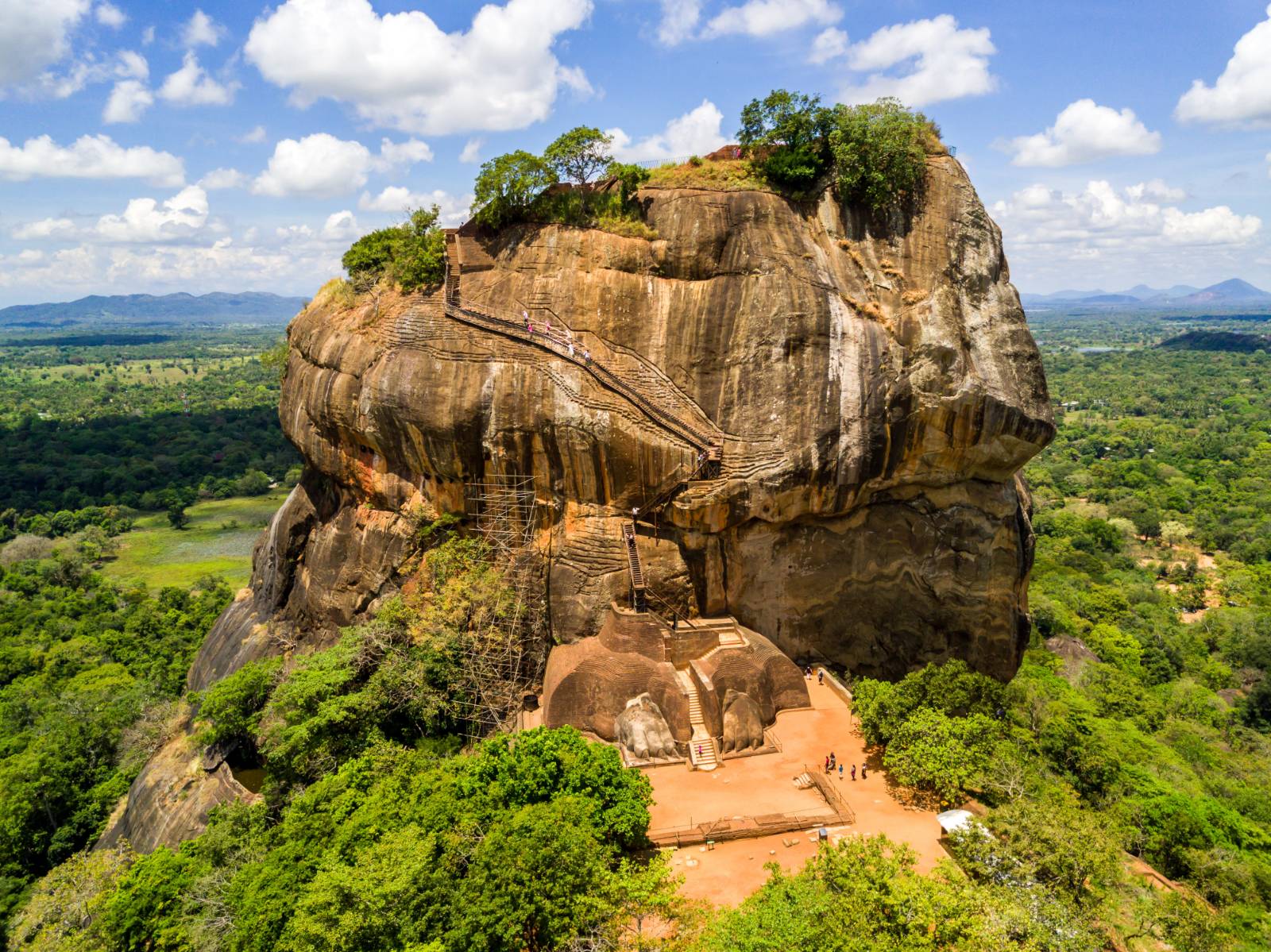
Built in the 5th century, the citadel of Sigiriya, or Lion Rock, stands at the heart of the Cultural Triangle, which links Sri Lanka’s main historic centres: Anuradhapura, Polonnaruwa and Kandy. Sigiriya is a UNESCO World Heritage Site. 1,200 steps lead up to the ruins of the fortress and palace, 200 metres above the ground. At the top we will see frescoes and the world’s oldest royal water gardens with their sophisticated hydraulic system. We will also view Sigiriya itself from Pidurangala Rock. Overnight at Heritance Kandalama on the shores of the Kandalama Reservoir.
Day 3. Dambulla
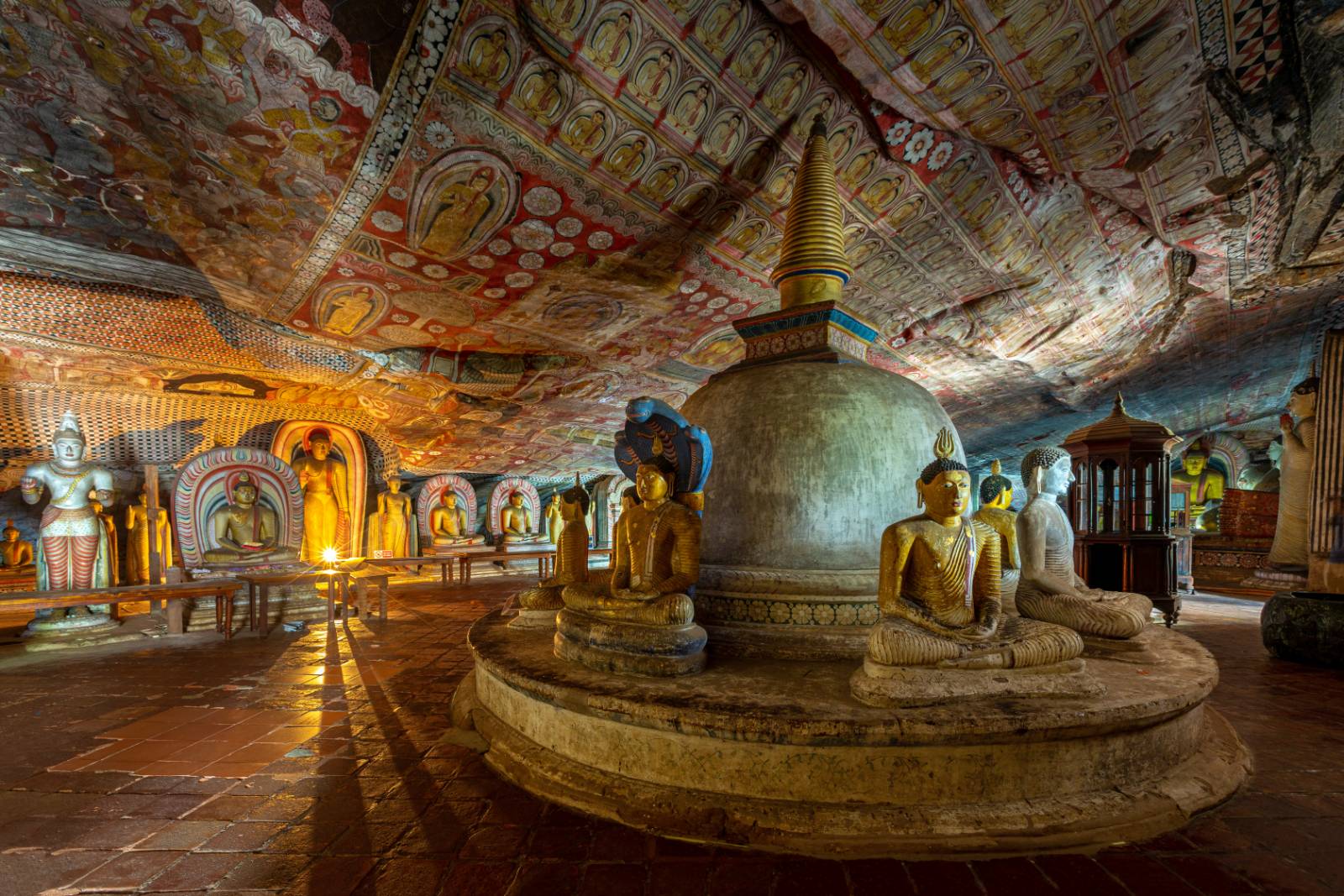
We will greet the sunrise in a hot-air balloon over the jungle, and after breakfast head to Dambulla to visit the country’s largest cave temple complex, also a UNESCO site. Built more than 2,000 years ago, the complex has 80 caves that still draw pilgrims today. Inside, the temples are adorned with ancient frescoes and statues of the Buddha.
Days 4-5. Polonnaruwa
The UNESCO-listed ancient city of Polonnaruwa was Sri Lanka’s capital from the 10th to the 13th century. We will see the ruins of palaces and temples, stupas and statues, ponds and the king’s private pool, whose elegant stucco still impresses today. We will stay at ECHO Lake House, between the two historic capitals of Anuradhapura and its successor Polonnaruwa. We will watch birds on the lake and monkeys and lorises in the jungle, join batik, woodcarving and stone-carving workshops, and go on safari in Minneriya National Park, famous for its large herds of elephants.
Day 6. Kandy
Kandy is Sri Lanka’s cultural capital. Set in the hill country at the centre of the island, the city kept its independence for centuries, even after the coastal regions had been conquered by the Portuguese and the Dutch, and only came under British rule in 1815. Thanks to its seclusion, its distinctive culture and traditions have been preserved.
We will visit the Temple of the Tooth, which draws Buddhist pilgrims from all over the world, stroll through the Royal Botanic Gardens and around Kandy Lake, climb up to the White Buddha statue for views over the city and visit the Ceylon Tea Museum. Overnight at Kings Pavilion Kandy, where we will watch dances once performed at the royal court 400 years ago and learn the secrets of Sri Lankan cuisine.
Day 7. Ella
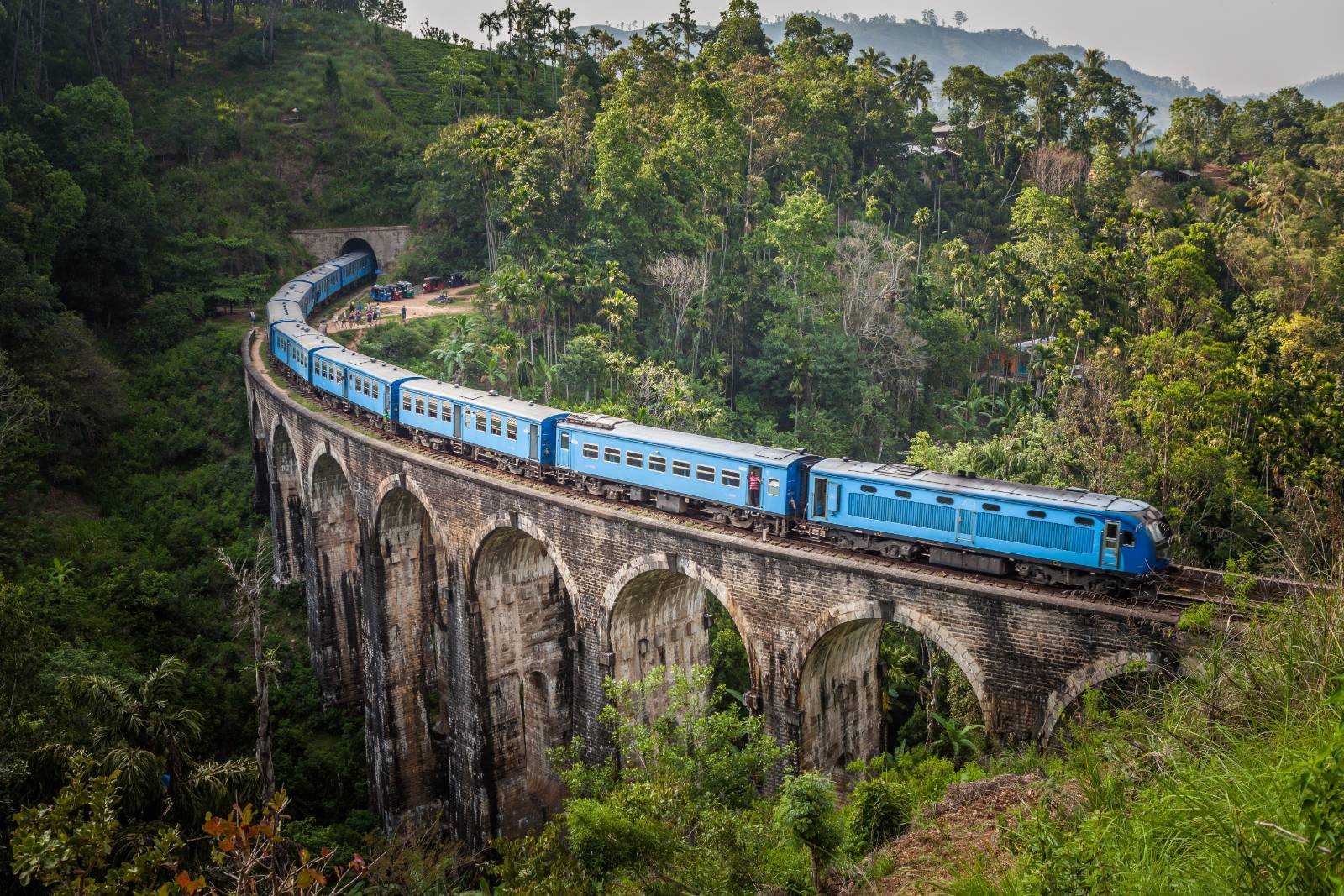
The town of Ella lies 1,000 metres above sea level and is famous for its views of forested hills, tea plantations and a cascading waterfall. It is a wonderful place for hiking, climbing Ella Rock and Little Adam’s Peak, and ziplining. But Ella’s main attraction is the 30-metre-high Nine Arch Bridge, built in the early 20th century by a local architect. Overnight at Dream Cliff Mountain Resort near Ella.
Day 8. Nuwara Eliya
We head to the heart of the country’s tea industry, Nuwara Eliya. In the early 19th century British settlers made their home in this mountain town. A park was laid out for them, a reservoir built, and a golf club, riding club and racecourse opened, where races are still held today. Some houses from that era have been converted into hotels, among them The Grand Hotel Nuwara Eliya, surrounded by beautiful gardens and once owned by the Governor of Ceylon, Sir Edward Barnes. We will stay here to immerse ourselves in the island’s colonial past, enjoy the excellent spa and many restaurants, and join a tea tasting and a tour of a nearby plantation and factory. One such factory now operates as the luxury hotel Heritance Tea Factory.
Days 9-10. Yala National Park
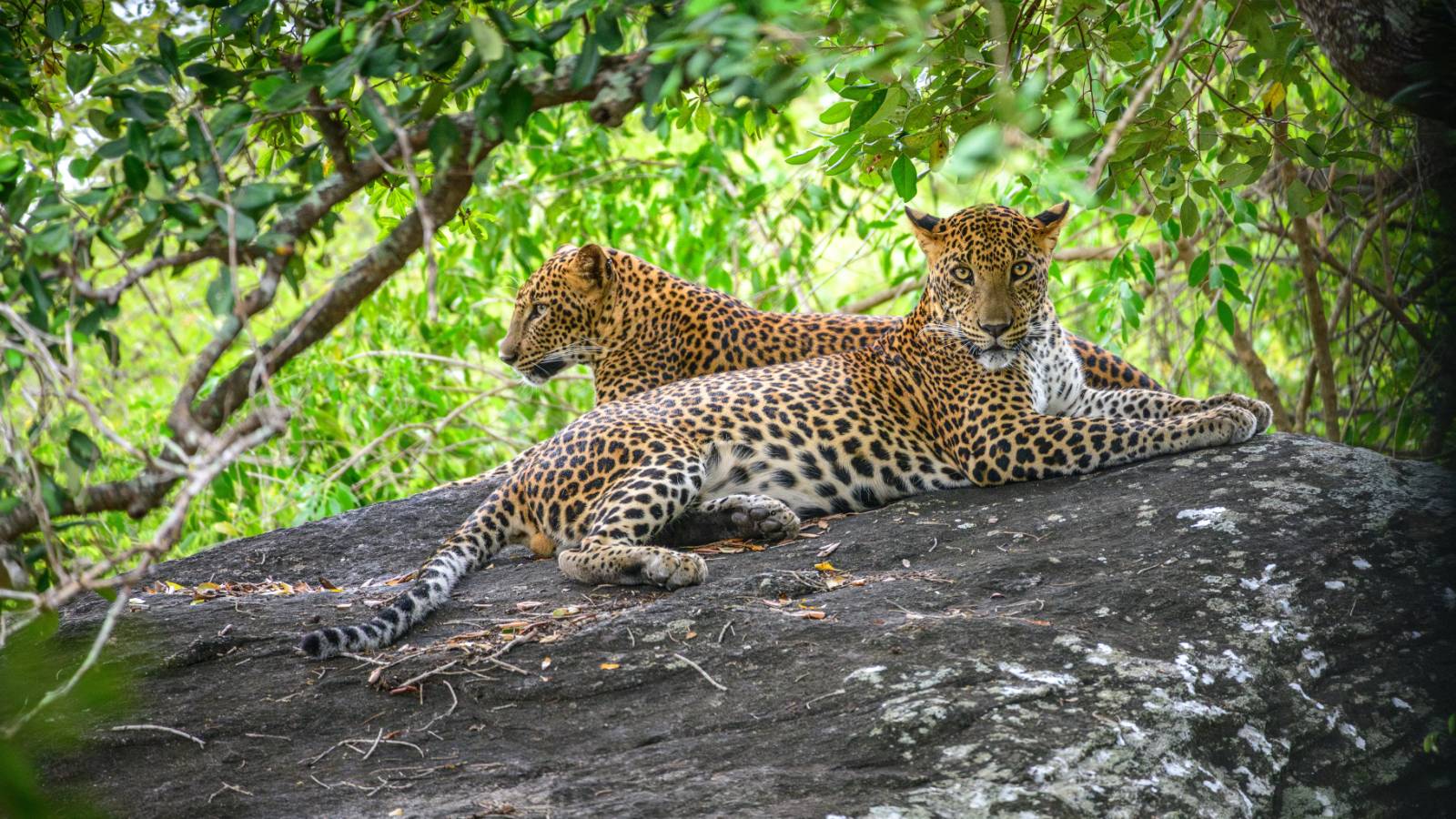
After breakfast we set off on safari in Yala National Park, Sri Lanka’s most famous park, home to leopards, sloth bears and elephants. Overnight at Wild Coast Tented Lodge, a member of Relais & Chateaux.
Days 11-12. Udawalawe National Park
We will watch elephant families in Udawalawe National Park and visit the rehabilitation centre where orphaned calves are cared for before being released back into the wild. Overnight at Grand Udawalawe Safari Resort, 20 minutes from the park.
Days 13-15. Tangalle
The fishing village of Tangalle on Sri Lanka’s south coast offers surfing and snorkelling, kayaking, watching blue whales and sperm whales during their annual migration and seeing sea turtles lay their eggs. You can also visit an agricultural park, a bird sanctuary and the rock monastery of Mulkirigala, with its richly decorated caves and stunning views from the upper terraces.
We will stay at Amanwella. The hotel offers a wide range of excursions, including helicopter or seaplane flights over the Cultural Triangle, trips to Sigiriya or the tea plantations, and scenic flights along the coast.
Days 16-17. Galle
Galle’s main sight is its fort, founded by the Portuguese in 1505 and completed by the Dutch by 1663. Today Galle Fort is a UNESCO World Heritage Site. We will visit the Maritime Archaeology Museum and the National Museum, and take a tour of Yatagala Temple, founded three centuries BC. We will also take a boat trip from Mirissa to watch blue whales, sperm whales, Bryde’s whales and orcas, as well as thousands of dolphins. Overnight at Amangalla within the walls of Galle Fort.
Day 18. Colombo
Departure for home.
Would you like to follow this itinerary? Our travel consultants will tailor the programme to your dates, pace and choice of hotels.
Other articles